

Nasenkorrektur
Auf einen Blick
Ein kurzer Überblick darüber, wie sich Ihr Besuch anfühlt — von der Zeit in der Klinik über die Genesung bis hin zum Komfort und wie lange die Ergebnisse anhalten. Alles, was Sie brauchen, um Ihren Tag mit Zuversicht zu planen.
.webp)
Durchschnittlich 2—3 Stunden. (Komplexe Fälle können länger dauern.)
.webp)
Normalerweise Entlassung am selben Tag. (In ausgewählten Fällen kann eine Übernachtung empfohlen werden.)
.webp)
Vollnarkose. (Ihr Anästhesist wird den sichersten Plan für Sie festlegen.)
.webp)
Zurück zur Arbeit: 7—10 Tage. Die meisten Schwellungen bessern sich innerhalb von 2—4 Wochen; die endgültige Verfeinerung kann bis zu 12 Monate dauern
.webp)
Langanhaltende Ergebnisse. Die endgültige Form stellt sich allmählich ein und kann über einen Zeitraum von 6—12 Monaten weiter verfeinert werden

- Sie möchten die Brücke oder Spitze verfeinern und gleichzeitig ein natürliches Aussehen beibehalten
- Sie haben Atemprobleme aufgrund einer Septumabweichung (falls zutreffend)
- Ihre Nase fühlt sich mit Ihren Gesichtszügen aus dem Gleichgewicht geraten
- Du bist gesund und hast realistische Erwartungen
- Sie verstehen, dass sich die Schwellung im Laufe von Monaten allmählich absetzt.
- „Eine Nasenkorrektur sieht immer offensichtlich aus.“ → Moderne Techniken zielen auf eine natürliche Gesichtsharmonie ab.
- „Die Ergebnisse sind sofort da.“ → Die Schwellung bessert sich innerhalb weniger Wochen, aber die endgültige Verfeinerung kann 6—12 Monate dauern.
- „Geschlossen vs. offen bestimmt das Ergebnis.“ → Der Plan und die Technik sind wichtiger als der Inzisionsansatz.
- „Eine ‚perfekte' Nase passt jedem.“ → Das Ziel ist ein personalisiertes Ergebnis, das zu Ihrem Gesicht passt.
Lassen Sie uns noch heute Ihren Behandlungsplan erstellen
Wir sind hier, um Ihre Fragen zu beantworten und Ihnen die am besten geeigneten ästhetischen Lösungen anzubieten. Lassen Sie uns Ihren Prozess planen, entweder persönlich oder im Rahmen einer Online-Beratung.
Kostenlose Beratung und Analyse
Personalisierte chirurgische Roadmap
Mehrsprachiger Patientensupport rund um die Uhr
Reibungslose Reise- und Unterkunftsarrangements
Natürlich aussehende Ergebnisse und hohe Zufriedenheit
Starten Sie Ihre kostenlose Beratung
Thank you for your submission!
Nasenkorrektur
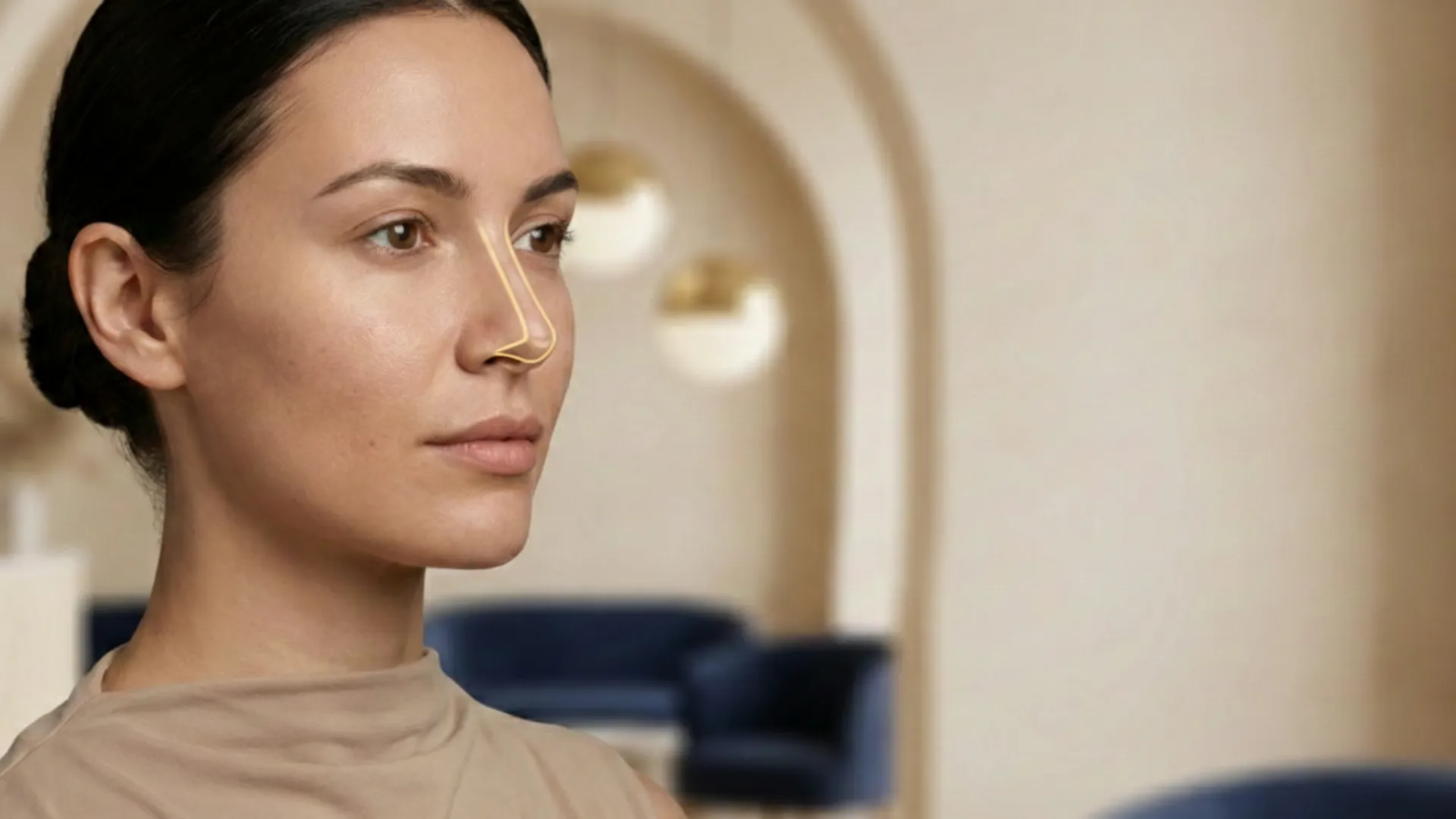
Die Nase befindet sich in der Mitte von 1/3 unseres Gesichts und ist dort, wo sich andere Menschen während der Kommunikation am bewusstesten oder unbewusstesten konzentrieren. Daher kann jede Deformität in der Nase leicht bemerkt werden und es ist schwierig, sie zu verbergen.
Nasenoperationen werden häufig von Patienten mit Nasendeformitäten in Anspruch genommen und gehören wie überall auf der Welt auch in unserem Land zu den häufigsten ästhetischen Operationen.
Eventuelle Atemprobleme in der Nase werden auch bei modernen Nasenkorrekturen behoben. Diese Operationen, die als funktionelle Nasenkorrektur bezeichnet werden, verbessern die Lebensqualität der Patienten sowie deren Aussehen.
Nach der Nasenkorrektur werden eine Verbesserung des Gesichtsbildes und eine deutliche Steigerung des Selbstvertrauens beobachtet.
Präoperativ
Die Nasenkorrektur ist eine personalisierte Operation. Die Techniken und Herangehensweisen werden entsprechend den Problemen in der Nase ausgewählt. Es ist auch sehr wichtig, die Nase nach den Wünschen und Bedürfnissen des Patienten zu formen. Dadurch wird eine natürliche und schöne Nasenform angestrebt, die den Gesichtsproportionen entspricht.
Die präoperative Vorbereitung beginnt mit einer eingehenden körperlichen Untersuchung und einer Konsultation zwischen Patient und Arzt. Die Beschwerden des Patienten und die gewünschte Nasenform werden von Dr. Andaç Aykan angehört und notiert. Bei der intranasalen Untersuchung werden, falls vorhanden, eine Concha-Hypertrophie und eine Septumkrümmung festgestellt. Die Korrektur dieser Probleme sorgt für eine visuell gute und funktionell gesunde Nase.
Während der Konsultation mit den Patienten, die für eine Nasenkorrektur in Frage kommen, werden manchmal auch die Nasenformen und Bilder, die der Patient mag, von Dr. Andaç Aykan untersucht. Es sollte jedoch nicht vergessen werden, dass eine Nasenform, die auf einem anderen Gesicht schön aussieht, bei einer anderen Person nicht die gleiche Harmonie und Schönheit hervorruft. Daher ist eine personalisierte Planung unerlässlich. Derzeit ist die 3D-Bildgebungs- und Planungstechnologie Vectra 3D sowohl für den Patienten als auch für den Arzt von großem Nutzen.

Nasenanalyse — 3D Vectra XT® -Simulation
Während einer ausführlichen Beratung und Untersuchung mit Associate Professor Dr. Aykan in der Aykan Clinic werden die Erwartungen des Patienten verstanden und bestehende Probleme werden eindeutig identifiziert. 3D-Bildgebung und Analyse (mit Vectra XT®) erleichtern das Verständnis von nasalen Problemen vor der Operation. Gleichzeitig werden bei der Bearbeitung dieser hochauflösenden 3D-Bilder mögliche Ergebnisse, die nach der Operation erzielt werden, mit unseren Patienten geteilt.
Bedienung
Die Nasenkorrektur wird unter Vollnarkose durchgeführt und dauert durchschnittlich 2 bis 3 Stunden. Im Allgemeinen werden keine Tampons in der Nase verwendet. In Fällen mit einer signifikanten Krümmung und einer Erweiterung der Nasenmuscheln in der Nase werden diese Probleme in derselben Sitzung behandelt. In solchen Fällen kann eine kurzfristige perforierte Tamponapplikation durchgeführt werden. Associate Professor Andaç Aykan verwendet Technologien der Piezo- (Ultraschall-Nasenkorrektur) und der mikromotorischen Nasenkorrektur, um den Operationserfolg zu erhöhen und die Genesung zu verkürzen.
Piezo- und mikromotorische Nasenkorrektur
Traditionelle Methoden wie Knochenbrechen und Raspeln werden seit Jahren erfolgreich in der plastischen Chirurgie eingesetzt. Im Zuge des technologischen Fortschritts werden jedoch moderne Geräte entwickelt, um postoperative Ödeme, Schwellungen und Blutergüsse bei Patienten zu minimieren oder zu beseitigen.
Die Ultraschall-Nasenkorrektur (Piezo-Rhinoplastik), auch bekannt als Piezo, und die Technologien der mikromotorischen Nasenkorrektur stehen bei diesen Methoden im Vordergrund.
Eine dieser Methoden ist die Ultraschall-Nasenkorrektur, auch bekannt als Piezo-Nasenkorrektur, bei der die Schwingungen von Ultraschallwellen zum Schneiden oder Formen von Knochen genutzt werden.
Eine andere Methode ist Mikromotor Nasenkorrektur, bei der empfindliche Schwingungen auf Mikroebene die Knochenformung ermöglichen.
Beide Techniken ermöglichen die Formung von Nasenstrukturen, ohne das umliegende Gewebe zu schädigen. Beide Techniken ermöglichen die Formung von Nasenstrukturen, ohne das umliegende Gewebe zu schädigen. Zu den wichtigsten Vorteilen dieser modernen Technologien gehören eine kürzere Operationsdauer, eine minimale Schädigung des umgebenden Gewebes und eine Verringerung oder gar kein postoperatives Ödem, Schwellungen und Blutergüsse. Folglich ist der Wiederherstellungsprozess einfacher und kürzer.
Nach der Operation
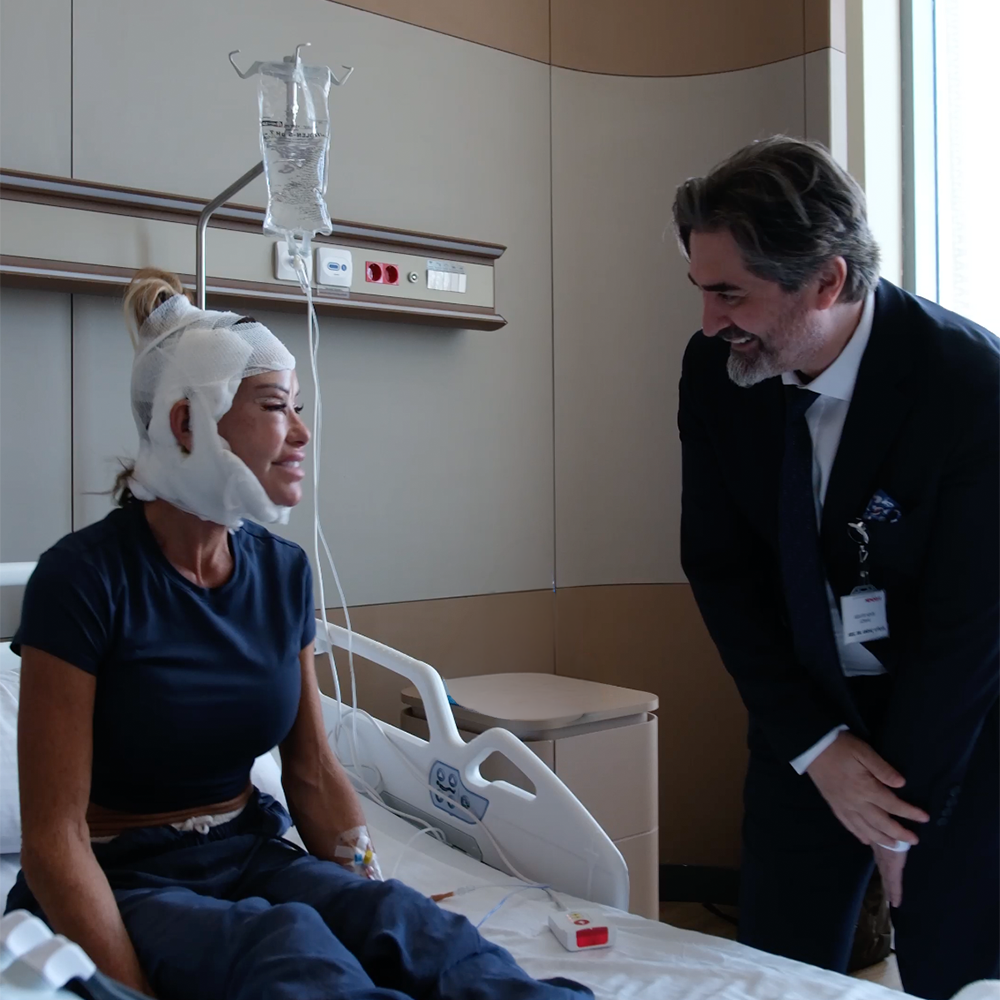
Nach der Operation treten keine nennenswerten Schmerzen auf. Die Patienten können etwa 2-3 Stunden, nachdem sie in ihr Zimmer gebracht wurden, essen. Im Allgemeinen wird der Tampon nicht in der Nase verwendet. In Fällen mit einer signifikanten Krümmung und einer Erweiterung der Nasenmuschel in der Nase werden diese Probleme in derselben Sitzung behandelt. In solchen Fällen kann eine kurzfristige Anwendung eines perforierten Silikontampons durchgeführt werden.
Perforierte Silikontampons sind recht klein und leicht zu entfernen. Der größte Vorteil ist, dass Sie beim Aufwachen aus der Narkose bequem atmen können. Perforierte Silikontampons werden am 5.-7. Tag nach der Operation entfernt.
Am Ende der Operation wird eine Plastikschiene auf die Nase gelegt. Die Schiene schützt vor äußeren Einflüssen und unterstützt den Heilungsprozess. Die Schiene wird durchschnittlich 5-7 Tage im Nasenbereich des Patienten aufbewahrt. Am Ende dieses Zeitraums wird die Nasenschiene entfernt. Die Entfernung der Schiene ist ein völlig schmerzloser und sehr kurzer Eingriff.
Die Patienten können etwa 3-5 Tage nach der Operation zu ihrem normalen sozialen Leben zurückkehren und 7 Tage später wieder arbeiten. Außerdem dauert es Monate, bis das Nasenödem vollständig verschwunden ist und die Nase ihre endgültige Form annimmt.
Form neu definieren. Wiederherstellung des Vertrauens.
Von ästhetischer Verbesserung bis hin zu rekonstruktiver Exzellenz.
Spezialisierte Verfahren
Kombiniert fortschrittliche medizinische Techniken mit einem künstlerischen Ansatz, um natürliche, dauerhafte Ergebnisse zu erzielen.
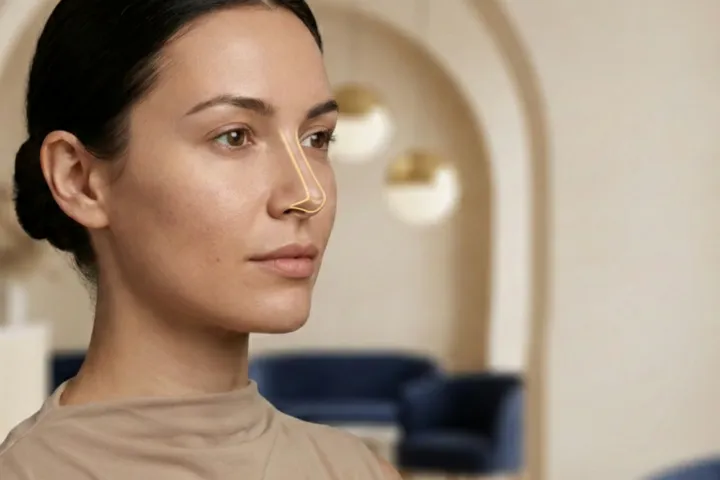


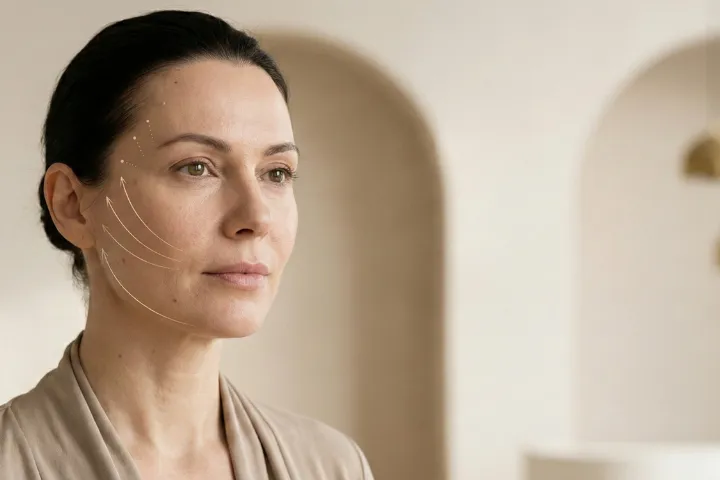
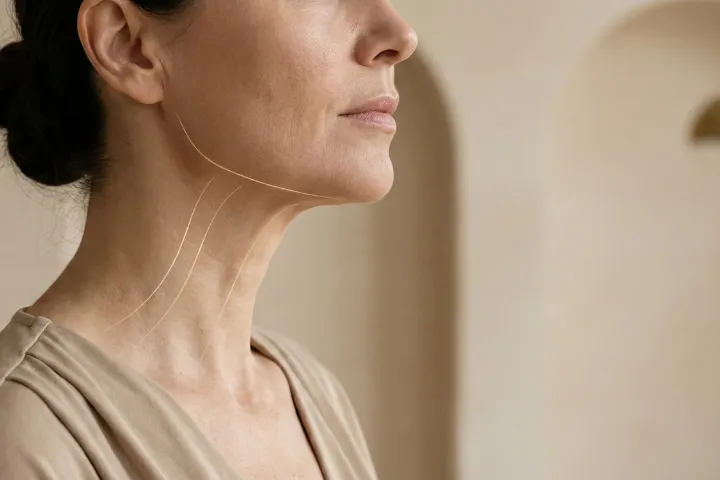




Ein klarer, schrittweiser Prozess, der Sicherheit, Verständnis und persönliche Betreuung in jeder Phase gewährleistet.
Ihre ästhetische Reise
.webp)
Erster Kontakt
.webp)
Anreise & Ankunft

Medizinische Vorbereitung
.webp)
Operation und Genesung
Pflege nach der Operation
.webp)
Lebenslange Unterstützung
%402x.svg)
%402x.svg)
Haben Sie eine Frage?
Die Bedürfnisse jedes Patienten sind einzigartig. Teilen Sie uns Ihre Ziele mit und wir beraten Sie persönlich.
Das sagen unsere Patienten
Erfahrungen, die Patienten über ihre Versorgung, Kommunikation und den gesamten Behandlungsverlauf über Google Reviews teilen.

.svg)
.svg)
.svg)
.svg)
