


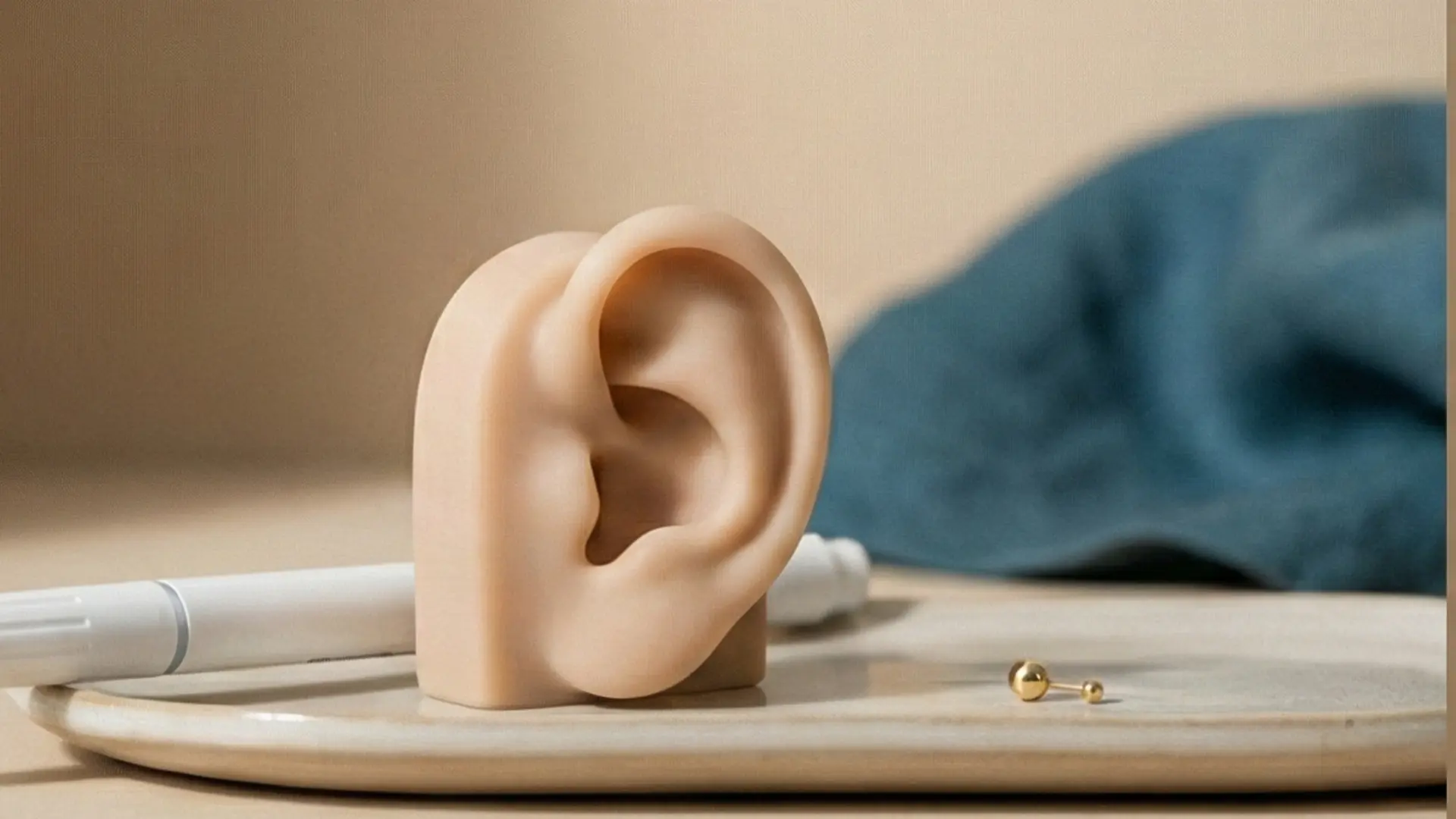
Ohrrekonstruktion bei Mikrotie
Auf einen Blick
Ein kurzer Überblick darüber, wie sich Ihr Besuch anfühlt — von der Zeit in der Klinik über die Genesung bis hin zum Komfort und wie lange die Ergebnisse anhalten. Alles, was Sie brauchen, um Ihren Tag mit Zuversicht zu planen.
.webp)
3 - 5 Stunden
.webp)
1 - 2 Nächte
.webp)
Vollnarkose
.webp)
Rückkehr zur Schule: 2 Wochen. Kontaktsportarten vermeiden: 3-6 Monate
.webp)
Dauerhaft

- Der Patient ist in der Regel zwischen 8 und 10 Jahre alt.
- Der Brustumfang reicht für eine Entnahme von Rippenknorpel aus.
- Der Patient wurde mit Mikrotie (kleiner Ohrmuschel) oder Anotie (fehlender Ohrmuschel) geboren.
- Ziel ist die Rekonstruktion des äußeren Ohrs (der Ohrmuschel), um ein ästhetisches Gleichgewicht zu erreichen.
- Die Familie und der Patient verstehen, dass die Operation die Form und nicht unbedingt das Hörvermögen wiederherstellt; eine Operation des Gehörgangs erfolgt separat.
- „Diese Operation stellt das Gehör wieder her. “ -> Falsch. Bei dieser Operation wird die äußere Ohrform rekonstruiert. Das Öffnen der Anhörung (Atresioplastik) oder die Verwendung von Hörgeräten (BAHA) sind separate Behandlungen.
- „Die Annahme von Rippenkorpel tut lebenslang weh. “ -> Falsch. Wenn der Brustbereich zum ersten Mal verletzt wird, macht die Knorpelentfernung im Jenseits keine notwendigen Probleme oder Leistungseinbußen.
- „Es kann in jedem Alter gemacht werden. “ -> Falsch/Klarstellung. Erwachsene können es bekommen, aber am besten im Alter von 8 bis 10 Jahren, wenn der Rippenkorpel ideal zum Schnitzen ist und das Ohr ausreichend gewachsen ist.
Lassen Sie uns noch heute Ihren Behandlungsplan erstellen
Wir sind hier, um Ihre Fragen zu beantworten und Ihnen die am besten geeigneten ästhetischen Lösungen anzubieten. Lassen Sie uns Ihren Prozess planen, entweder persönlich oder im Rahmen einer Online-Beratung.
Kostenlose Beratung und Analyse
Personalisierte chirurgische Roadmap
Mehrsprachiger Patientensupport rund um die Uhr
Reibungslose Reise- und Unterkunftsarrangements
Natürlich aussehende Ergebnisse und hohe Zufriedenheit



Starten Sie Ihre kostenlose Beratung
Thank you for your submission!
Was ist Mikrotie?
Mikrotie bezeichnet die angeborene Kleinheit, Fehlbildung oder das vollständige Fehlen, also Anotie, der Ohrmuschel. Das Ohr besteht aus äußeren, mittleren und inneren Ohrstrukturen. Die angeborene fehlende oder unzureichende Entwicklung des äußeren Ohrs, also der Ohrmuschel, wird als „Mikrotie“ bezeichnet.
Mikrotie kann einseitig oder beidseitig auftreten. Bei den meisten Patientinnen und Patienten ist sie einseitig. Die Ursache dieser Entstehung hängt von vielen Faktoren ab. Einige Medikamente, die die Mutter während der Schwangerschaft verwendet hat, etwa Thalidomid, oder Infektionen wie Röteln können diesen Zustand verursachen. Bei den meisten Patientinnen und Patienten fehlt der äußere Gehörgang oder er ist verschlossen. Da sich Ohrmuschel und äußerer Gehörgang im Mutterleib aus denselben Strukturen entwickeln, haben Menschen mit Mikrotie in der Regel keinen äußeren Gehörgang.
Wenn der äußere Gehörgang fehlt, ist das Hörvermögen auf dieser Seite reduziert. Bei Personen ohne äußeren Gehörgang entwickeln sich die Strukturen des Mittelohrs, also Trommelfell, Mittelohrknöchelchen, Hammer, Amboss und Steigbügel, nicht. Das Fehlen dieser Strukturen verhindert ebenfalls das Hören. Abgesehen von seltenen Fällen besteht im Innenohr kein Problem.

Was ist die chirurgische Behandlung der Mikrotie?
Ziel ist es, die deformierte oder unvollständig entwickelte äußere Ohrstruktur wieder aufzubauen. Es ist nicht möglich, mit dieser Operation den äußeren Gehörgang oder das Innenohr zu operieren.
In welchem Alter sollte eine Mikrotie-Operation durchgeführt werden?
Operationen in frühem Alter lassen sich leichter mit Rippenknorpeln durchführen, die eine ausreichende Entwicklung erreicht haben. In der Regel gelten Brustkorbentwicklung und normales Ohrwachstum etwa im Alter von 8 Jahren als geeignet für diese Operation.
Wie wird die Mikrotie-Operation durchgeführt?
Die Korrektur der Mikrotie kann nicht mit einer einzigen Operation erfolgen. Je nach verwendeter chirurgischer Technik können bei Patientinnen und Patienten ohne Ohrmuschel 2, 3 oder 4 Operationssitzungen erforderlich sein.
Mikrotie-Operationen werden unter Vollnarkose durchgeführt, und zwischen den Eingriffen werden bestimmte Zeitabstände eingehalten.
Um ein natürliches Ohr zu schaffen, muss zunächst das Knorpelgerüst des Ohrs vorbereitet werden. Dafür wird Rippenknorpel verwendet. Die Entnahme von Knorpel aus der Rippe verursacht im späteren Leben keine Gesundheitsprobleme oder sichtbaren Formstörungen.
In der ersten Sitzung wird der aus den eigenen Rippen des Patienten entnommene Knorpel mithilfe verschiedener Nähte geformt und ein normales Ohrgerüst aufgebaut. Anschließend wird in der Ohrregion eine subkutane Tasche eröffnet, in die das Ohrgerüst eingesetzt wird. In dieser Sitzung kann auch das Ohrläppchen an die erforderliche Position verlegt werden.
Die zweite Operationssitzung erfolgt einige Monate nach der ersten. Ziel ist es, die Rückseite des Ohrgewebes zu formen, das am Schädel anliegt. Das in der ersten Sitzung platzierte Ohrmodell wird leicht vom Schädel gelöst, obwohl an der Vorderseite Hautgewebe vorhanden ist. Ein dünnes Hauttransplantat, also ein Hautpatch, aus der Leiste wird ebenfalls hierher transplantiert, um die Rückseite des Ohrs zu bilden.
Falls erforderlich, können in weiteren Sitzungen das Ohrläppchen geformt, seine Position angepasst, der Vorsprung vor dem Gehörgang geschaffen und die eingesunkene Ohröffnung korrigiert werden. Diese Korrekturen können je nach Patient und chirurgischer Technik auch in den ersten 2 Operationssitzungen durchgeführt werden. Es können auch drei oder vier Operationssitzungen erforderlich sein.
Form neu definieren. Wiederherstellung des Vertrauens.
Von ästhetischer Verbesserung bis hin zu rekonstruktiver Exzellenz.
Spezialisierte Verfahren
Kombiniert fortschrittliche medizinische Techniken mit einem künstlerischen Ansatz, um natürliche, dauerhafte Ergebnisse zu erzielen.


Ein klarer, schrittweiser Prozess, der Sicherheit, Verständnis und persönliche Betreuung in jeder Phase gewährleistet.
Ihre ästhetische Reise
.webp)
Erster Kontakt
.webp)
Anreise & Ankunft
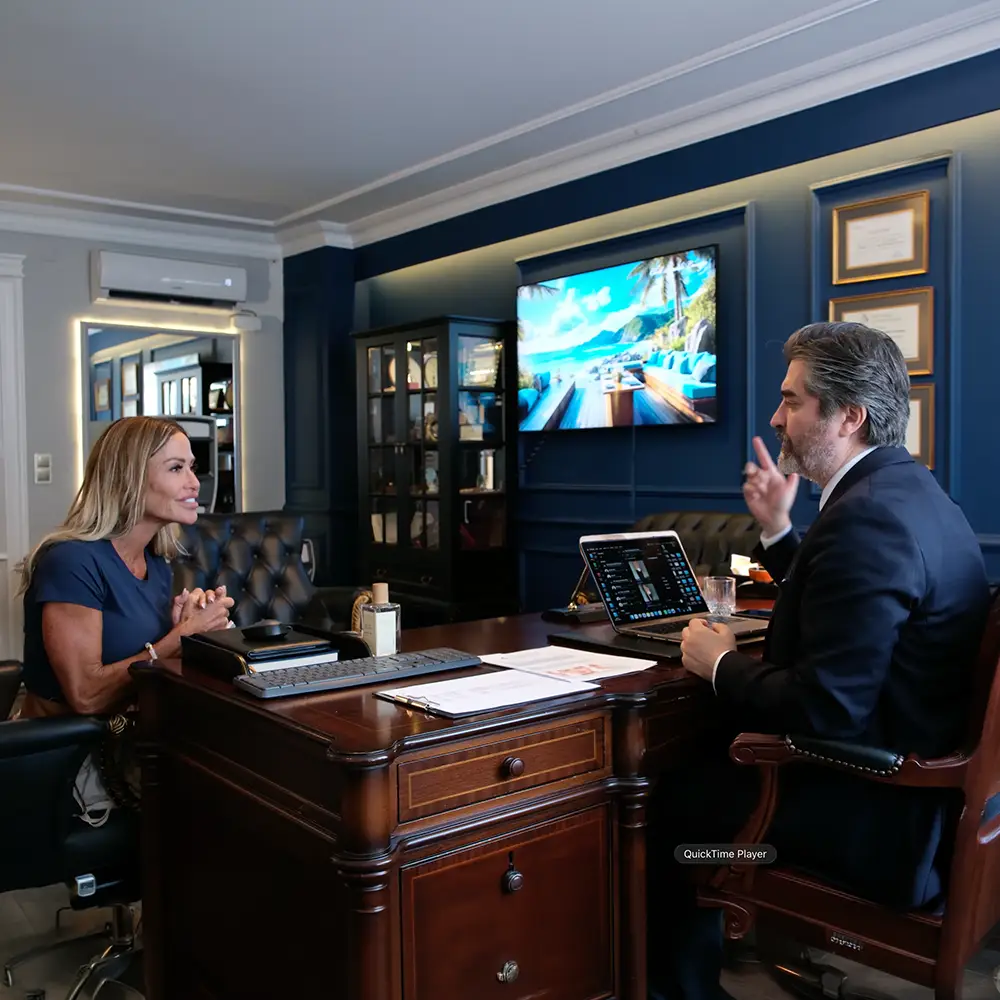
Medizinische Vorbereitung
.webp)
Operation und Genesung
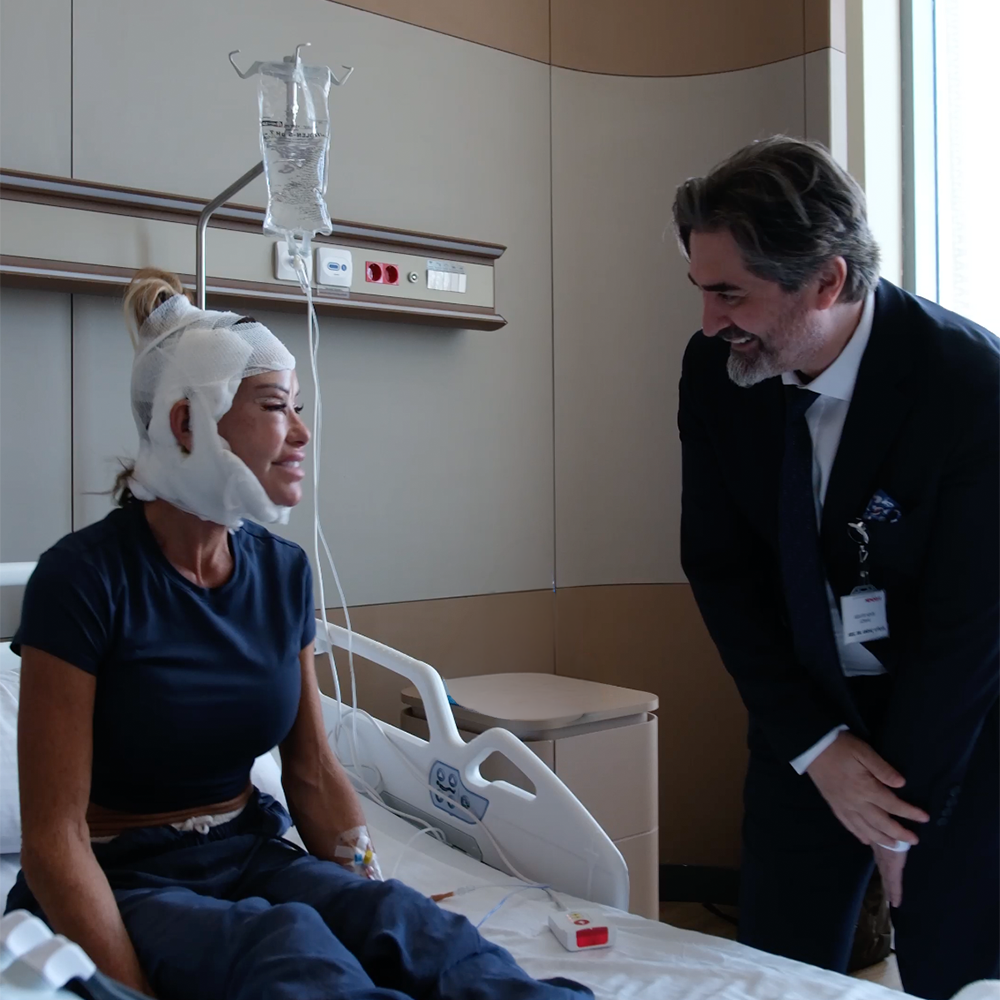
Pflege nach der Operation
.webp)
Lebenslange Unterstützung
%402x.svg)
%402x.svg)
Haben Sie eine Frage?
Die Bedürfnisse jedes Patienten sind einzigartig. Teilen Sie uns Ihre Ziele mit und wir beraten Sie persönlich.
Das sagen unsere Patienten
Erfahrungen, die Patienten über ihre Versorgung, Kommunikation und den gesamten Behandlungsverlauf über Google Reviews teilen.

.svg)
.svg)
.svg)
.svg)
