

Rhinoplasty
At a Glance
A quick overview of what your visit feels like — from time in clinic to recovery, comfort, and how long results last. Everything you need to plan your day with confidence.
.webp)
2–3 hours on average. (Complex cases may take longer.)
.webp)
Usually same-day discharge. (An overnight stay may be recommended in selected cases.)
.webp)
General anesthesia. (Your anesthesiologist will determine the safest plan for you.)
.webp)
Back to work: 7–10 days. Most swelling improves over 2–4 weeks; final refinement can take up to 12 months
.webp)
Long-lasting results. Final shape settles gradually and can continue to refine over 6–12 months

- You want to refine the bridge or tip while keeping a natural look
- You have breathing concerns from a deviated septum (when applicable)
- Your nose feels out of balance with your facial features
- You’re in good health and have realistic expectations
- You understand that swelling settles gradually over months
- “Rhinoplasty always looks obvious.” → Modern techniques aim for natural, facial harmony.
- “Results are immediate.” → Swelling improves in weeks, but final refinement can take 6–12 months.
- “Closed vs. open determines the result.” → The plan and technique matter more than the incision approach.
- “One ‘perfect’ nose fits everyone.” → The goal is a personalized result that suits your face.
Let's Create Your Treatment Plan Today
We are here to answer your questions and offer you the most suitable aesthetic solutions. Let's plan your process, either in person or through an online consultation.
Free Consultation and analysis
Personalized Surgical Roadmap
24/7 Multilangual Patient Support
Seamless Travel & Accommodation Arrangements
Natural Looking Results & High Satisfaction


Start Your Free Consultation
Thank you for your submission!
Rhinoplasty
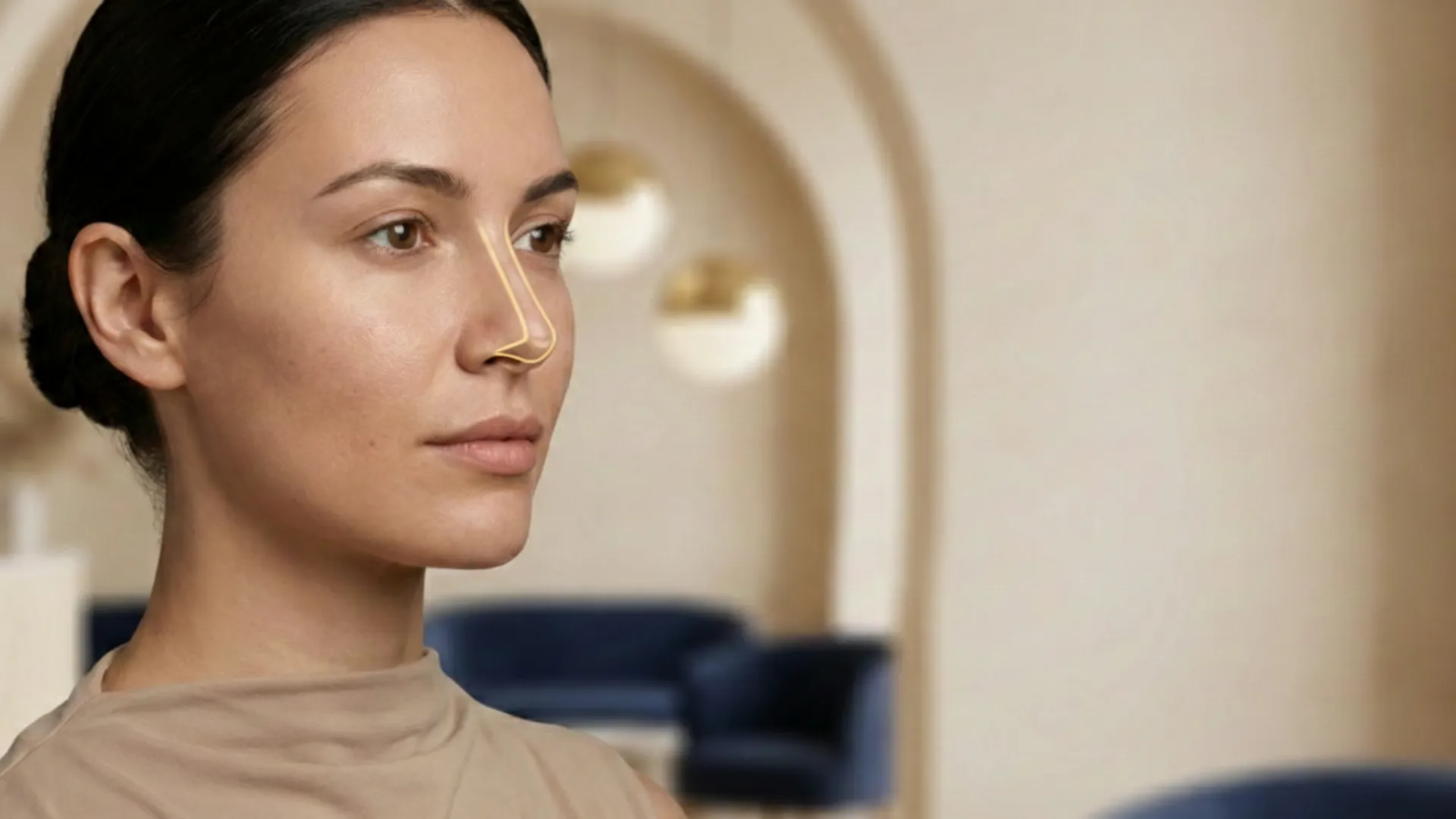
The nose plays a central role in facial balance and harmony. Even subtle differences in its shape, projection, width, or proportions can influence the overall appearance of the face. Rhinoplasty is a surgical procedure designed to reshape the nose while respecting the individual anatomy, facial proportions, and aesthetic goals of each patient.
Modern rhinoplasty is not limited to appearance alone. Nasal breathing and structural function are also important components of surgical planning. When problems such as a deviated septum, nasal valve dysfunction, or other structural abnormalities contribute to breathing difficulties, these issues may be addressed during the same operation. This combined aesthetic and functional approach is often referred to as functional rhinoplasty.
The objective is not to create a standardized or “perfect” nose, but to achieve a natural-looking result that is proportionate to the face while preserving or improving nasal function.
Before Rhinoplasty Surgery
A detailed consultation and clinical examination are essential before rhinoplasty. The external shape of the nose is assessed together with the internal nasal structures, breathing function, skin characteristics, cartilage support, facial proportions, and the patient's expectations.
During the consultation, particular attention is given to features such as the nasal dorsum, nasal tip, projection, rotation, width, symmetry, and the relationship between the nose, chin, forehead, and other facial structures.
An intranasal examination is also performed to identify functional problems such as septal deviation, turbinate enlargement, or other anatomical factors that may affect nasal airflow. When appropriate, aesthetic and functional concerns can be addressed within the same surgical plan.
Previous nasal surgery, trauma, medical history, medications, smoking, and individual healing characteristics are also evaluated when planning the procedure.
Nose Analysis and 3D Vectra XT® Simulation
Three-dimensional imaging can be used as part of the preoperative planning process. With the Vectra XT® 3D imaging system, the nose and surrounding facial structures can be evaluated from different angles and potential changes can be simulated during the consultation.
This technology can help facilitate communication between the patient and surgeon by providing a visual reference when discussing proportions and possible surgical goals.
However, a 3D simulation should be regarded as a planning and communication tool rather than a guarantee of the final surgical result. Actual outcomes depend on individual anatomy, tissue characteristics, surgical technique, and the biological healing process.
How Is Rhinoplasty Performed?
Rhinoplasty is individualized according to the patient's anatomy and surgical objectives. Depending on the case, surgery may involve modification of the nasal bones and cartilages, refinement or repositioning of the nasal tip, correction of the nasal dorsum, adjustment of projection or rotation, and improvement of structural support.
When functional problems are present, procedures such as septal correction or other structural interventions may be incorporated into the operation to improve the nasal airway.
Rhinoplasty may be performed using an open or closed approach, depending on the anatomical requirements and complexity of the procedure. The choice of technique is determined individually rather than applying the same surgical method to every patient.
Preserving adequate structural support is an important principle of contemporary rhinoplasty. The aim is to achieve a stable, functional, and natural result that remains harmonious with the patient's facial features.
Piezo (Ultrasonic) and Micromotor Rhinoplasty
Modern rhinoplasty may incorporate powered instruments such as Piezo (ultrasonic) systems and micromotor devices when appropriate.
Piezo technology uses ultrasonic vibrations to perform controlled work on the nasal bones. Because the device is designed to act selectively on mineralized tissue, it can allow precise bone reshaping while limiting unnecessary trauma to surrounding soft tissues.
Micromotor systems may also be used for controlled reshaping and refinement of bone and cartilage during selected stages of surgery.
These technologies provide the surgeon with additional precision, particularly during bony modification. Their use, however, is determined by the individual anatomy and requirements of each operation. They do not eliminate postoperative swelling or bruising, and the quality of the final result depends on comprehensive surgical planning, technique, tissue characteristics, and healing—not on a single device or technology.
Rhinoplasty Recovery
After surgery, an external nasal splint is commonly used to protect and support the nose during the early healing period. Internal silicone splints may also be used when septal or functional procedures have been performed.
Swelling and bruising vary between patients and are expected during the early postoperative period. These changes usually decrease progressively over the following days and weeks.
Most patients can gradually return to their routine social and professional activities as early healing progresses, although the exact timing depends on the extent of surgery, individual recovery, and the nature of the patient's work.
It is important to protect the nose from trauma during the healing period and to follow postoperative instructions regarding physical activity, sleeping position, nasal care, and the use of glasses when applicable.
Although a significant improvement in nasal shape becomes visible relatively early, rhinoplasty results continue to evolve over time. Residual swelling—particularly around the nasal tip—may take several months to resolve. The final contour of the nose may continue to refine for 12 months or longer, depending on skin thickness, the extent of surgery, and individual healing characteristics.
Regular postoperative follow-up allows the healing process and both aesthetic and functional outcomes to be monitored.
Patients who have previously undergone nasal surgery and require further correction may benefit from Revision Rhinoplasty.
For more information about the relationship between nasal appearance and breathing function, read our guide to Functional Rhinoplasty.
Redefining Form. Restoring Confidence.
From aesthetic enhancement to reconstructive excellence.
Specialized Procedures
Combining advanced medical techniques with an artistic approach to deliver natural, lasting results.
















A clear, step-by-step process designed to ensure safety, understanding, and personalized care at every stage.
Your Aesthetic Journey
.webp)
First Contact
.webp)
Travel & Arrival

Medical Preparation
.webp)
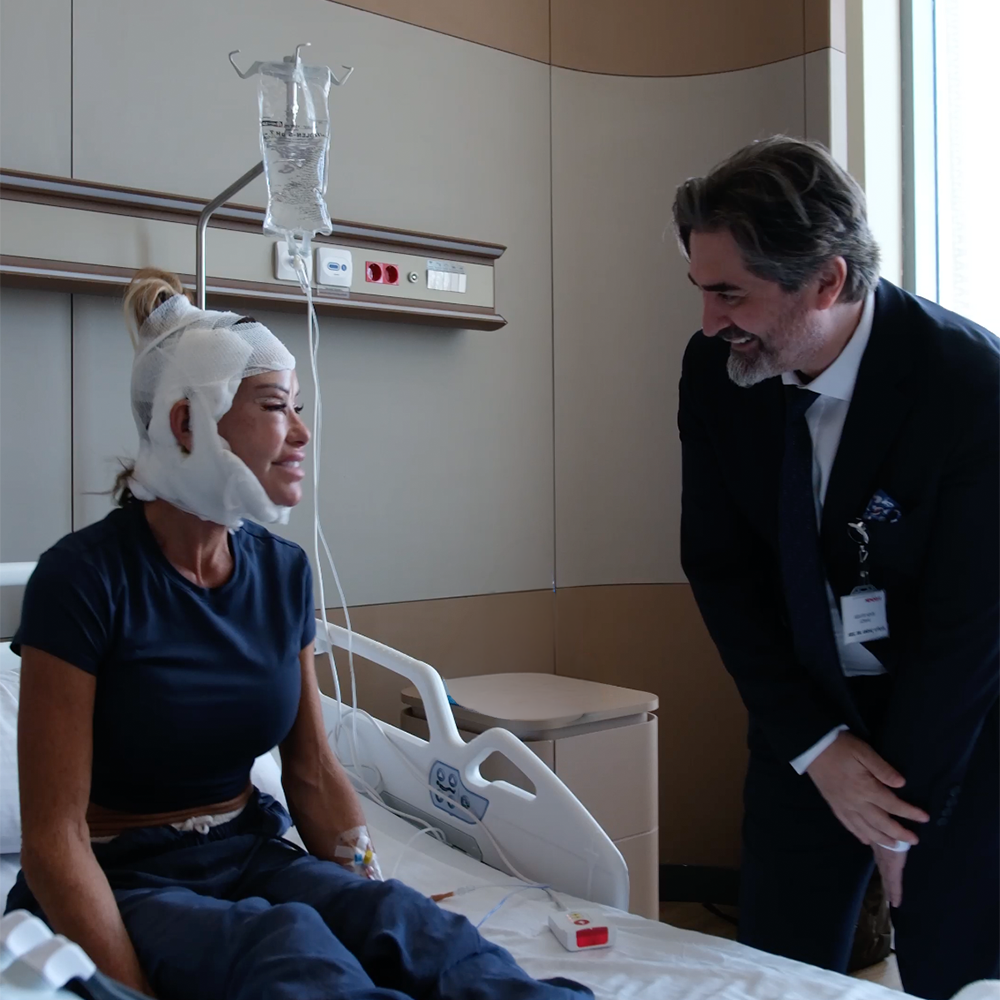
Surgery & Recovery
Post-Op Care
.webp)
Lifelong Support
%402x.svg)
%402x.svg)
Have a question?
Every patient’s needs are unique. Share your goals with us, and we’ll guide you with a personalized consultation.
Hear from the Patients
Experiences shared by patients about their care, communication, and overall treatment journey via Google Reviews.

.svg)
.svg)
.svg)
.svg)
