



Facial Fat Grafting
At a Glance
A quick overview of what your visit feels like — from time in clinic to recovery, comfort, and how long results last. Everything you need to plan your day with confidence.
.webp)
45 Minutes - 1.5 Hours
.webp)
Same Day Discharge (Outpatient)
.webp)
Local Anesthesia (Small areas) or Sedation/General (Full face)
.webp)
Swelling/Edema: 1-2 weeks. Final Shape: 3-6 months
.webp)
Permanent (approx. 50% of the fat survives forever)

- You have deep wrinkles, hollows, or volume loss in the face.
- You want to improve skin quality using the regenerative power of stem cells.
- You prefer using your own natural tissue rather than synthetic fillers.
- You want to enhance cheekbones or the chin contour naturally.
- You accept that some fat will absorb, but the rest will remain permanently.
- "It all melts away." → False. As stated, about 50% remains permanently after the first 6-12 months.
- "It leaves big scars." → False. The procedure is performed with very thin cannulas, leaving no significant marks.
- "It's just a filler." → False. It contains stem cells that actively improve the quality and texture of the skin, unlike synthetic fillers.
Let's Create Your Treatment Plan Today
We are here to answer your questions and offer you the most suitable aesthetic solutions. Let's plan your process, either in person or through an online consultation.
Free Consultation and analysis
Personalized Surgical Roadmap
24/7 Multilangual Patient Support
Seamless Travel & Accommodation Arrangements
Natural Looking Results & High Satisfaction



Start Your Free Consultation
Thank you for your submission!
What Is Fat Injection?
The adipose tissue is used successfully and effectively in modern aesthetic and plastic surgery procedures. The adipose tissue taken for injection is also called "adipose graft". The advantages and properties of adipose tissue have led to its widespread use all over the world. Besides being a filler, the adipose cells (adipocytes) are also stem cells. The stem cells aid in tissue regeneration and the survival of the adipose tissue in the area where they are injected. With this feature, the quality of the skin improves around the injection site. Another advantage is the use of one's own adipose tissue, eliminating the risk of allergic reactions.
Facial fat grafting, clinically known as adipose injection, is a modern surgical technique used to restore lost volume and enhance facial contours using the patient's own tissue. This procedure utilizes "adipose grafts," which consist of fat cells (adipocytes) and regenerative stem cells harvested from the patient's own body. The presence of these stem cells is a significant advantage, as they aid in tissue regeneration and survival, while simultaneously improving the quality and moisture of the skin. Because the treatment uses autologous tissue, it provides a healthy and natural-looking result that eliminates the risk of rejection associated with synthetic alternatives. Furthermore, once the initial healing phase is complete, the surviving fat provides a permanent volumising effect that integrates seamlessly with existing facial structures. This dual benefit of volume restoration and skin rejuvenation makes it a highly effective tool in modern aesthetic surgery.

Suitable Candidates and Treatment Areas
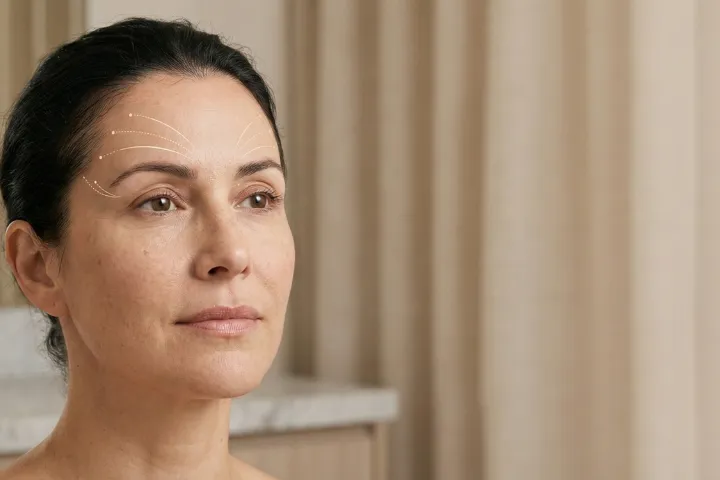
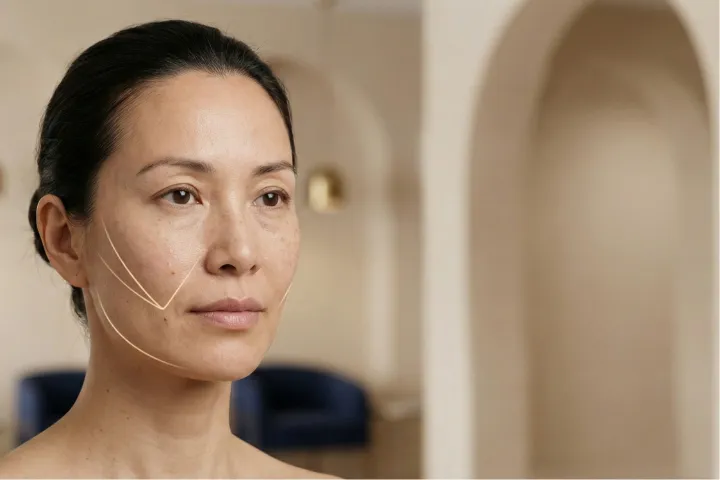
This procedure is primarily designed for individuals seeking to reverse signs of aging or to fill areas of the body and face where more volume is desired. It is frequently used to fill deep wrinkles, such as the nasolabial grooves, and to add definition to the cheekbones, chin, and temples. Additionally, fat injections are very useful for softening scar tissue on the skin and correcting depressions or collapses. Patients who prefer natural results and wish to avoid the repetitive nature of temporary synthetic fillers are ideal candidates for this long-lasting intervention. The procedure is also suitable for younger patients who may structurally lack volume in certain parts of the face.
Surgical Techniques and Application
The process begins with the harvesting of fat tissue from donor areas with sufficient reserves, typically the anterior abdomen or the hip area. Both the extraction and the subsequent injection are performed using very thin cannulas to ensure precision and minimize tissue trauma. For facial applications, specialized methods known as micro-adipose and nano-adipose grafting are often used to process and thin the fat for detailed refinement. Depending on the treatment plan and the volume of fat to be transferred, the procedure can be performed under local anesthesia, sedation, or general anesthesia. Meticulous preparation of the fat graft without air contact is essential to maintain the vitality of the cells before they are injected into the ideal depth of the recipient site.
Expected Results and Persistence
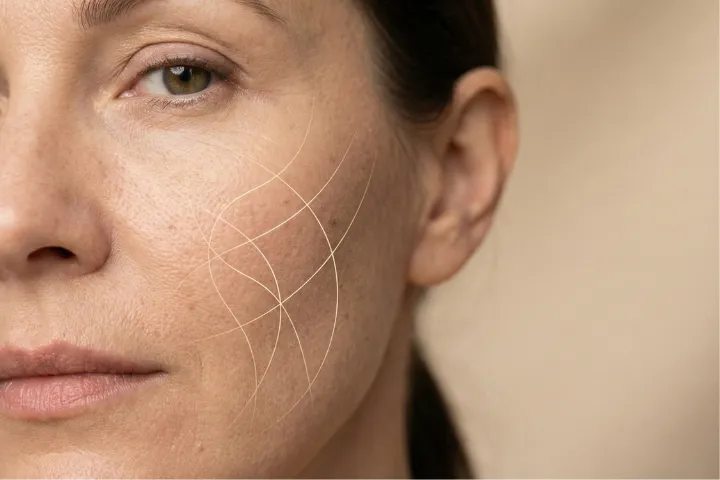
The long-term persistence of the results is closely tied to the specialized techniques used during the extraction and preparation of the adipose tissue. While it is generally accepted that approximately half of the delivered fat volume may dissolve within six months to a year, the remaining portion stays permanently in the application area. These results can be repeated or built upon in future sessions if the patient desires further volume enhancement. Beyond the visible volume increase, the skin around the injection site often shows marked improvement in brightness and texture due to the regenerative nature of the stem cells. The final outcome is a more youthful and vibrant facial profile that settles fully as the tissues mature.
Recovery and Postoperative Care
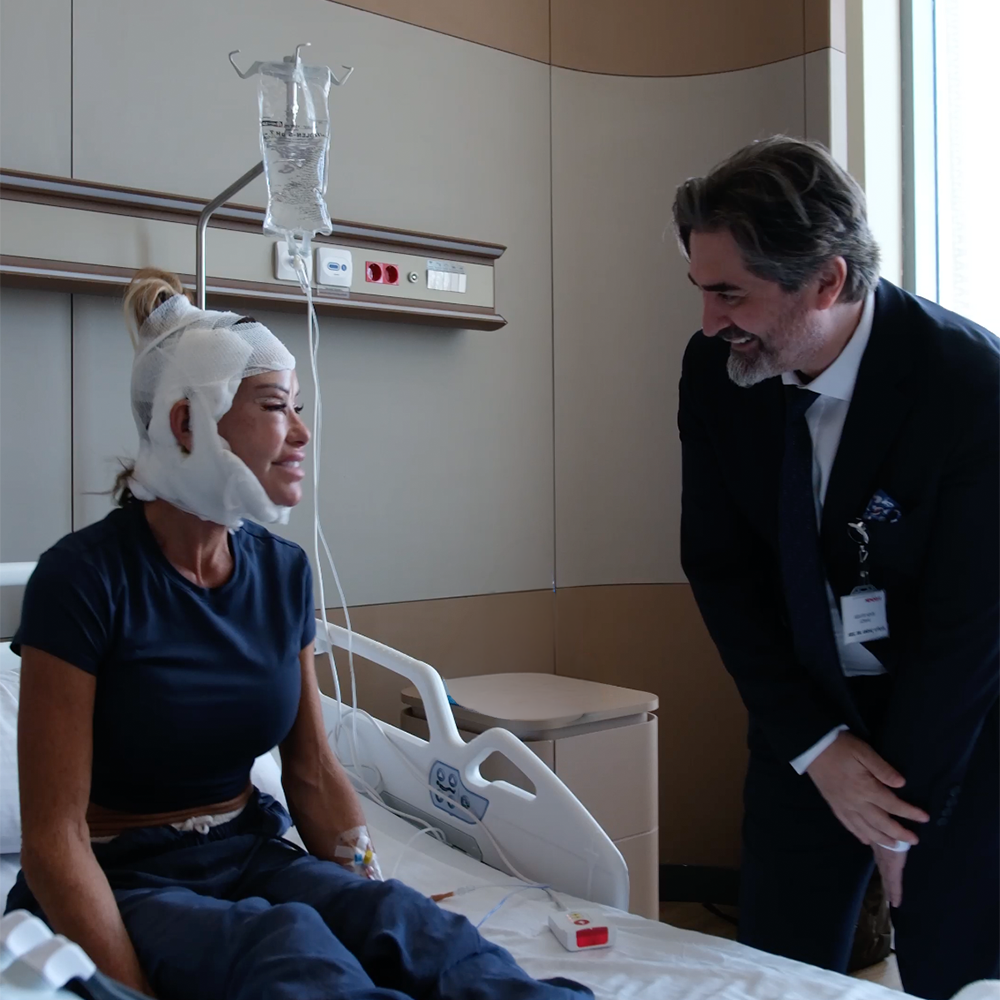
The recovery process following facial fat grafting is generally comfortable, with minimal pain reported by most patients. It is expected to experience some redness and swelling for approximately two to three days immediately following the procedure. Bruising may also occur depending on the individual's skin type, though this typically resolves within seven to ten days. Because the incisions used for the cannulas are very small, they do not leave obvious scars and heal discreetly over time. Patients can usually return to their daily routines shortly after the intervention, provided they follow the specific hygiene and care protocols recommended by the surgical team.
Redefining Form. Restoring Confidence.
From aesthetic enhancement to reconstructive excellence.
Specialized Procedures
Combining advanced medical techniques with an artistic approach to deliver natural, lasting results.
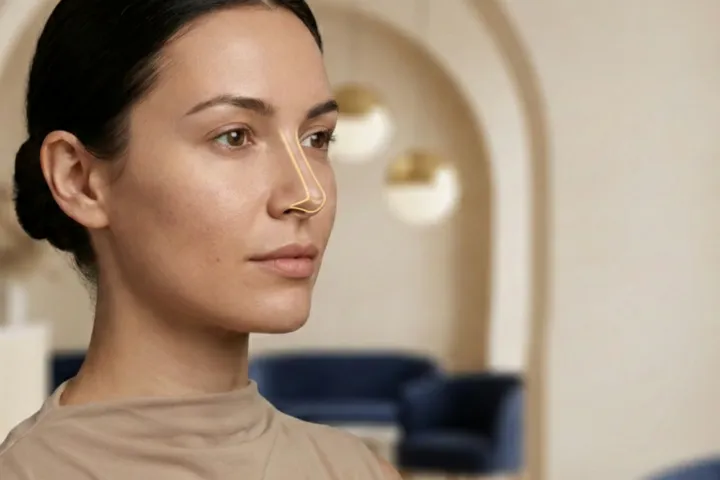



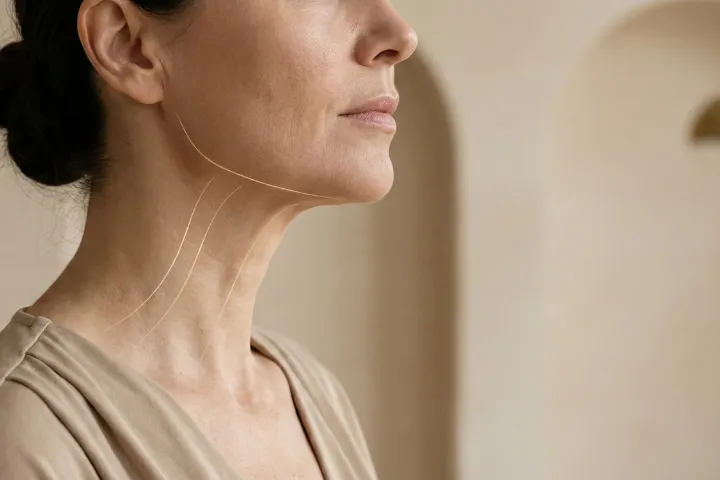

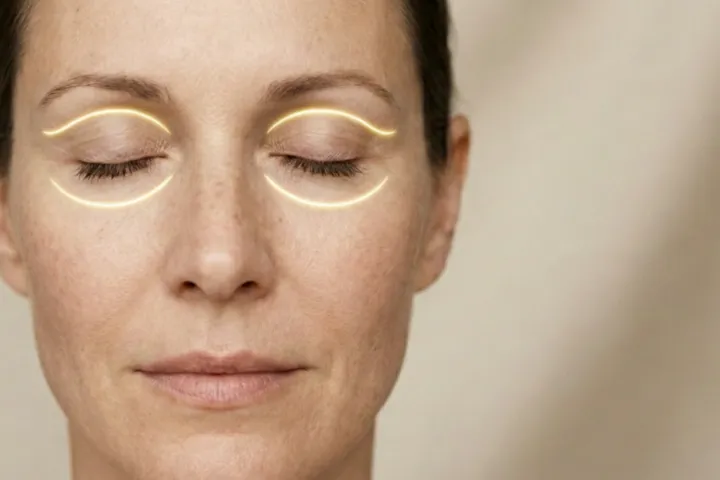
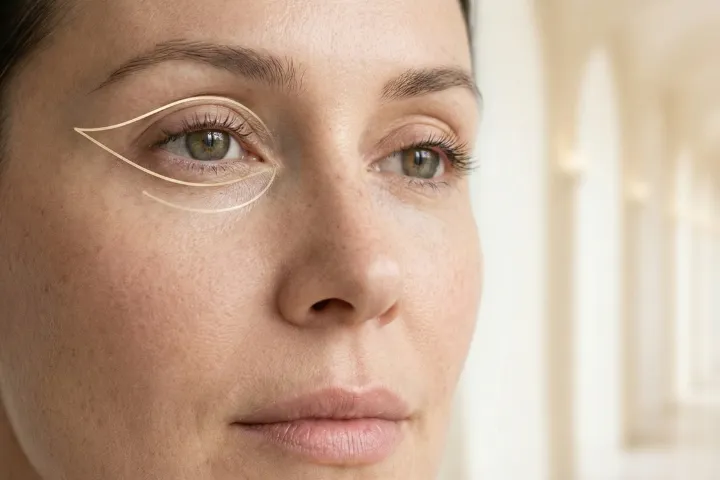









A clear, step-by-step process designed to ensure safety, understanding, and personalized care at every stage.
Your Aesthetic Journey
.webp)
First Contact
.webp)
Travel & Arrival

Medical Preparation
.webp)
Surgery & Recovery
Post-Op Care
.webp)
Lifelong Support
%402x.svg)
%402x.svg)
Have a question?
Every patient’s needs are unique. Share your goals with us, and we’ll guide you with a personalized consultation.
Hear from the Patients
Experiences shared by patients about their care, communication, and overall treatment journey via Google Reviews.

.svg)
.svg)
.svg)
.svg)
