



Breast Reconstruction
At a Glance
A quick overview of what your visit feels like — from time in clinic to recovery, comfort, and how long results last. Everything you need to plan your day with confidence.
.webp)
2 - 5 Hours
.webp)
1 - 3 Nights
.webp)
General Anesthesia
.webp)
Return to Work: 2-4 weeks. Full Activity: 6-8 weeks
.webp)
Permanent (Implants may need replacement after 10-15 years)

- You have undergone or will undergo a mastectomy due to breast cancer.
- You do not have medical conditions that would impair healing (e.g., uncontrolled diabetes).
- You have realistic expectations about the outcome (reconstructed breasts will not have the exact same sensation as natural breasts).
- You want to restore symmetry and body contour to fit into clothes comfortably.
- You are emotionally ready to undergo the surgical process to restore your body image.
- "Reconstruction hides cancer recurrence." -> False. Reconstruction does not increase the risk of cancer recurrence nor does it make it harder to detect recurrence during follow-ups.
- "Implants last a lifetime." -> False. While durable, breast implants are not lifetime devices and may require replacement after 10-15 years.
- "I will get my sensation back immediately." -> False. Numbness is common; while some sensation may return over time, the reconstructed breast will generally not have normal sensitivity.
Let's Create Your Treatment Plan Today
We are here to answer your questions and offer you the most suitable aesthetic solutions. Let's plan your process, either in person or through an online consultation.
Free Consultation and analysis
Personalized Surgical Roadmap
24/7 Multilangual Patient Support
Seamless Travel & Accommodation Arrangements
Natural Looking Results & High Satisfaction



Start Your Free Consultation
Thank you for your submission!
What Is Breast Reconstruction?
Breast cancer is the most common type of cancer in women worldwide. One in eight women is faced with breast cancer. The complete treatment can be achieved, especially when diagnosed early. The main treatment approach is often the removal of the cancerous breast tissue (mastectomy). "Breast reconstruction" refers to the rebuilding of the breast tissue lost after cancer treatment. It can be reconstructed as a result of modern plastic and reconstructive surgery approaches, significantly improving the patient's psychological recovery and body image.
Breast reconstruction is a specialized surgical process focused on rebuilding breast tissue that has been lost due to cancer treatment or physical trauma. As breast cancer remains the most prevalent type of cancer among women globally, this procedure serves as a vital component of the restorative journey for many patients. The primary goal of the intervention is to restore the breast’s natural shape, appearance, and volume to help the individual regain physical symmetry. By addressing the aesthetic and structural loss, the surgery plays a critical role in enhancing the patient's psychological well-being and self-confidence. Beyond oncology-related needs, reconstruction is also utilized to correct deformities arising from congenital issues or significant injuries. Every procedure is tailored to the individual’s unique anatomy and medical history to ensure a balanced and natural-looking result. Ultimately, this intervention aims to align the patient's physical profile with their recovery milestones.
Breast Reconstruction Methods
Autologous Breast Reconstruction
The breast reconstruction using the patient’s own tissues is called as the “Breast Reconstruction with the Autologous Tissue”. Usually “Abdominal” or “Back” tissue (wing muscle and skin) is used for this. The operation in which the abdominal tissue is used is medically called TRAM Flap (Transversus Rectus Abdominus Myocutaneous Flap). Another alternative method is the use of the Latissimus Dorsi muscle, known as the Wing muscle, and / or the skin island on it. It is also known medically as the LD Flap (Latissimus Dorsi Muscle Skin Flap).
Breast Reconstruction with the Implant
The breast reconstruction, in which the modern prostheses (Silicone Breast Prostheses) are used to reconstruct the breast tissue, is called Breast Reconstruction with the Implants. Today, depending on the developing technology, the modern and safe breast prostheses (implants) are used for the reconstruction. It is basically made of silicone. The outer parts, called the shell, are produced in a rough structure to assort with the surrounding tissue and reduce the development of the capsule contraction. The inner silicone has a consistency similar to and compatible with the density of the normal breast tissue. The breast prostheses are divided into 2 types: Drop (anatomical) and Round. The “Drop” (anatomical) shaped prostheses are frequently used in the breast reconstructions.
Timing of the Breast Reconstruction
The reconstruction surgery can be performed simultaneously with the removal of the cancerous breast tissue (mastectomy) (Immediate Breast Reconstruction) or at a later stage (Late Reconstruction). The patient and physician decide together on the timing of the reconstruction, by taking into account the general condition of the patient and the stage of breast cancer.
Redefining Form. Restoring Confidence.
From aesthetic enhancement to reconstructive excellence.
Specialized Procedures
Combining advanced medical techniques with an artistic approach to deliver natural, lasting results.
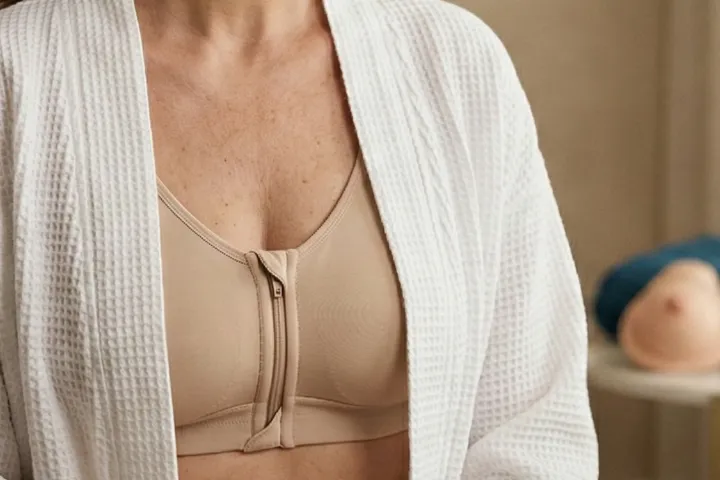

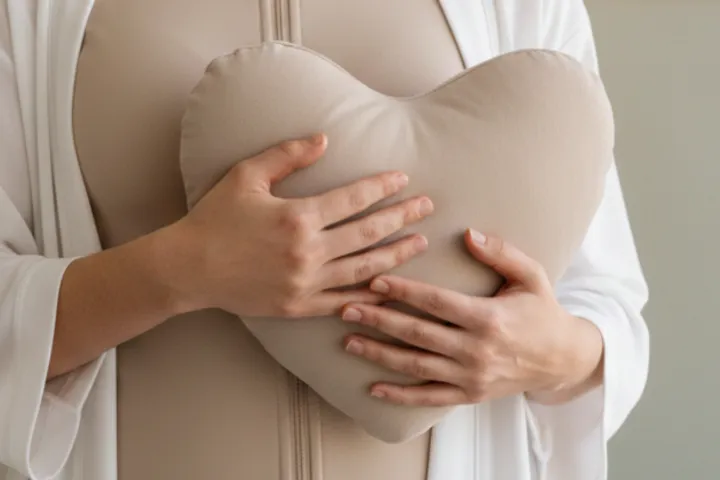
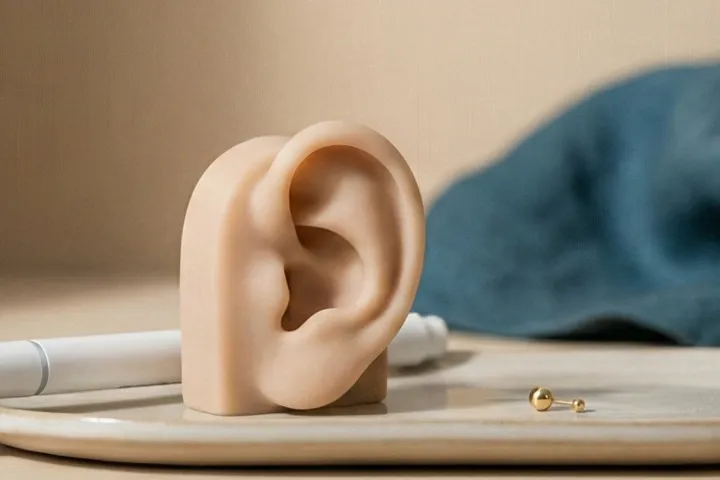

A clear, step-by-step process designed to ensure safety, understanding, and personalized care at every stage.
Your Aesthetic Journey
.webp)
First Contact
.webp)
Travel & Arrival

Medical Preparation
.webp)
Surgery & Recovery
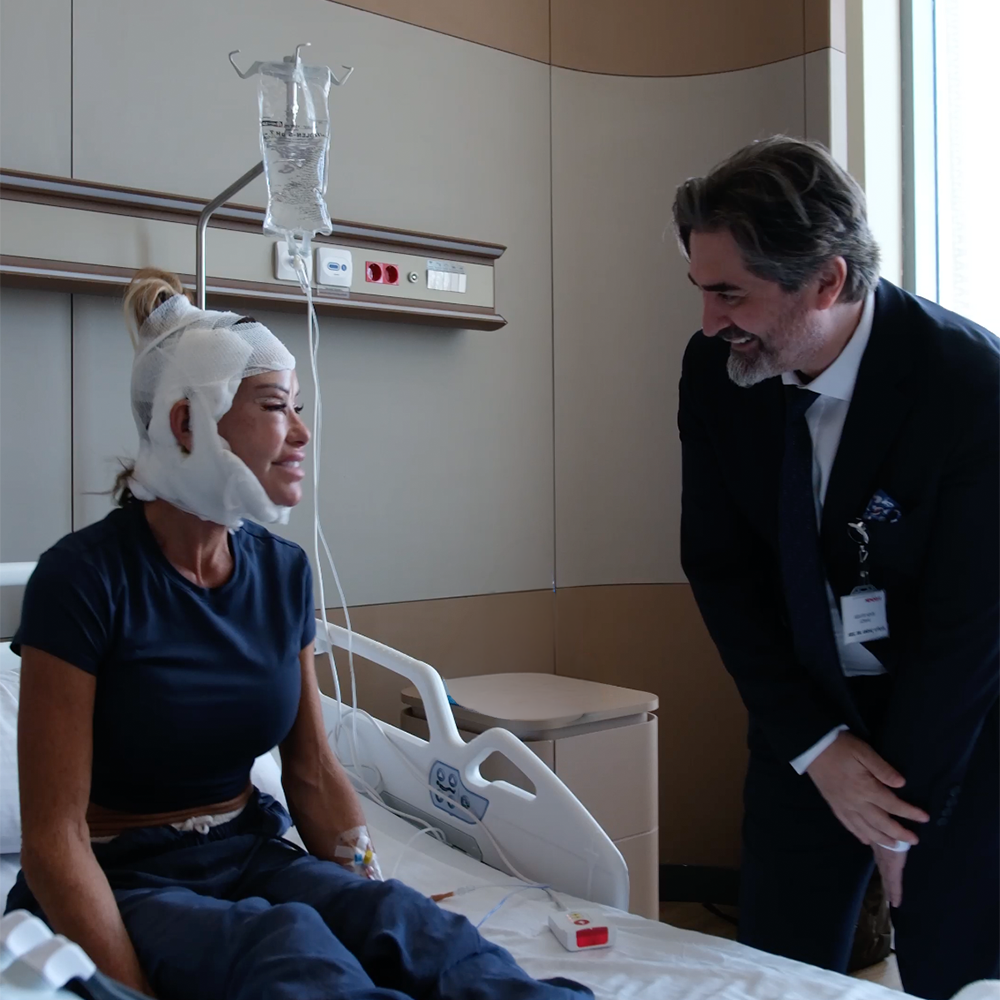
Post-Op Care
.webp)
Lifelong Support
%402x.svg)
%402x.svg)
Have a question?
Every patient’s needs are unique. Share your goals with us, and we’ll guide you with a personalized consultation.
Hear from the Patients
Experiences shared by patients about their care, communication, and overall treatment journey via Google Reviews.

.svg)
.svg)
.svg)
.svg)
