

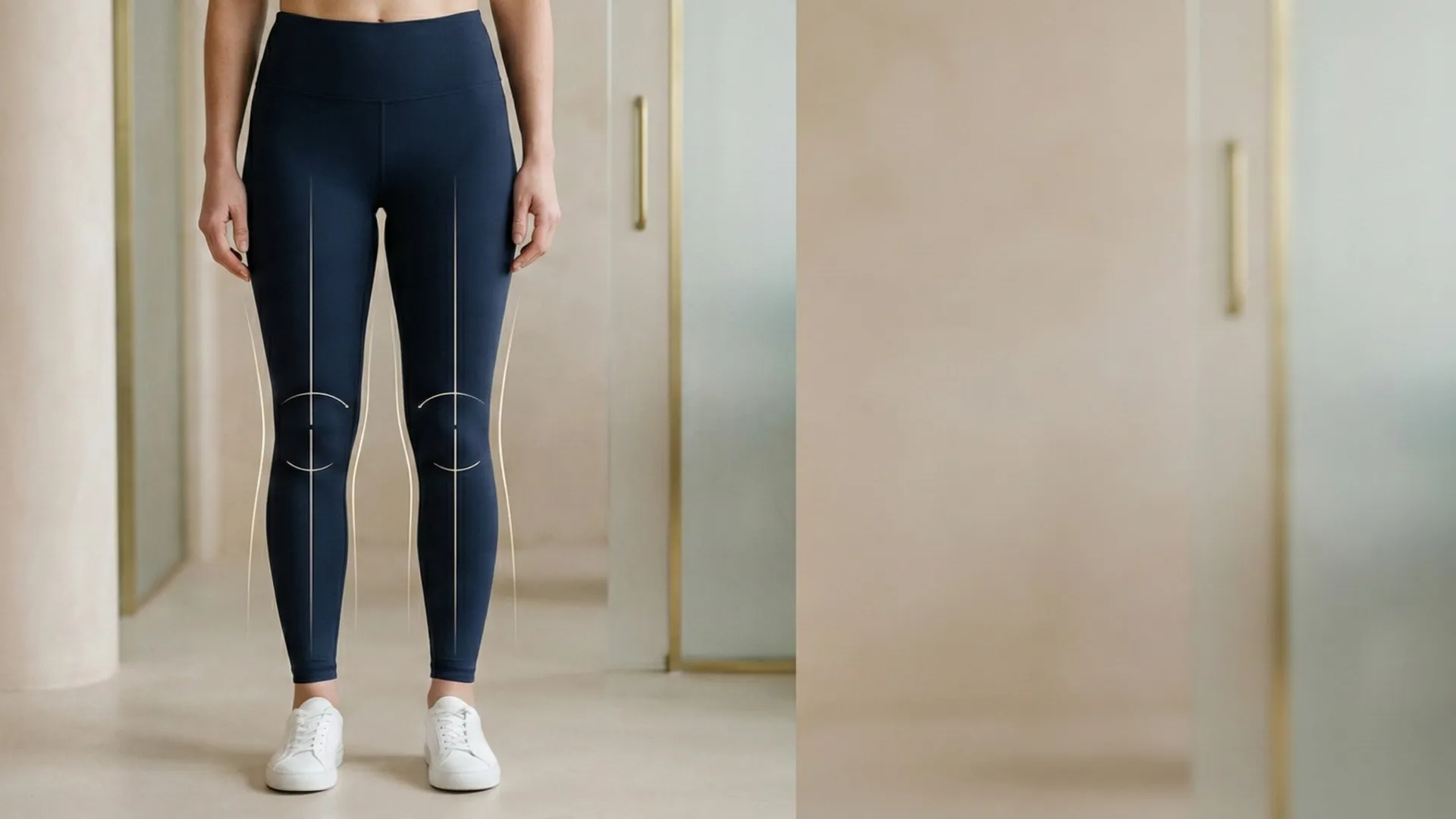
Crooked Leg Correction
At a Glance
A quick overview of what your visit feels like — from time in clinic to recovery, comfort, and how long results last. Everything you need to plan your day with confidence.
.webp)
1 - 2 Hours
.webp)
Day Case or 1 Night
.webp)
General Anesthesia or Sedation
.webp)
Return to Work: 3-7 days. Compression Stockings: 3-4 weeks
.webp)
Permanent (Regarding fat survival)

- You have legs that appear bowed (O-shape) or knocking (X-shape) due to fat distribution.
- You have a volume deficiency in the inner calves making legs look crooked.
- You are over 18 (women) or 21 (men) with completed bone development.
- You have sufficient fat stores in other parts of your body for transfer.
- You desire straighter legs without orthopedic bone surgery.
- "It involves breaking bones." -> False. This is an aesthetic camouflage procedure using soft tissue (fat) to hide the curvature; it does not involve orthopedic bone breaking.
- "The fat will all melt away." -> False. While some absorption occurs, the remaining fat cells (usually 60-70%) survive permanently and behave like normal tissue.
- "Implants are the only option." -> False. Fat injection is the preferred modern method as it is more natural and versatile than calf implants.
Let's Create Your Treatment Plan Today
We are here to answer your questions and offer you the most suitable aesthetic solutions. Let's plan your process, either in person or through an online consultation.
Free Consultation and analysis
Personalized Surgical Roadmap
24/7 Multilangual Patient Support
Seamless Travel & Accommodation Arrangements
Natural Looking Results & High Satisfaction



Start Your Free Consultation
Thank you for your submission!
What Is Crooked Leg Aesthetic?
The ages of 18 for women and 21-22 for men are recommended for the leg aesthetic. Thus, it is in a suitable condition for the operation in terms of the hormonal and body structure.
How is Crooked Leg Aesthetic Performed?
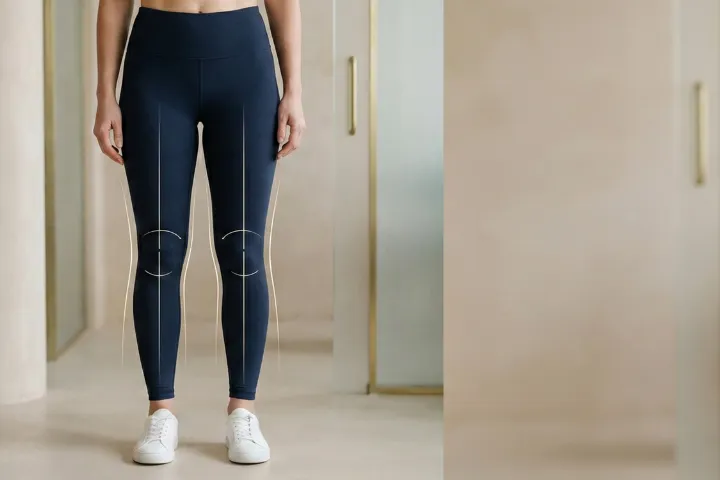
For this procedure, first of all, the skin quality and adipose tissue status are checked. The adipose injections are made to these areas in the individuals who have excess adipose tissue in the knee but have a deficiency that causes the appearance of “crooked legs” in the inner leg area below the knee level. In the patients having irregularities in the kneecap area, the adipose injection into this area also ensures that the knee area has a younger, rounder and more ideal appearance.
Why is Crooked Leg Aesthetic Needed?
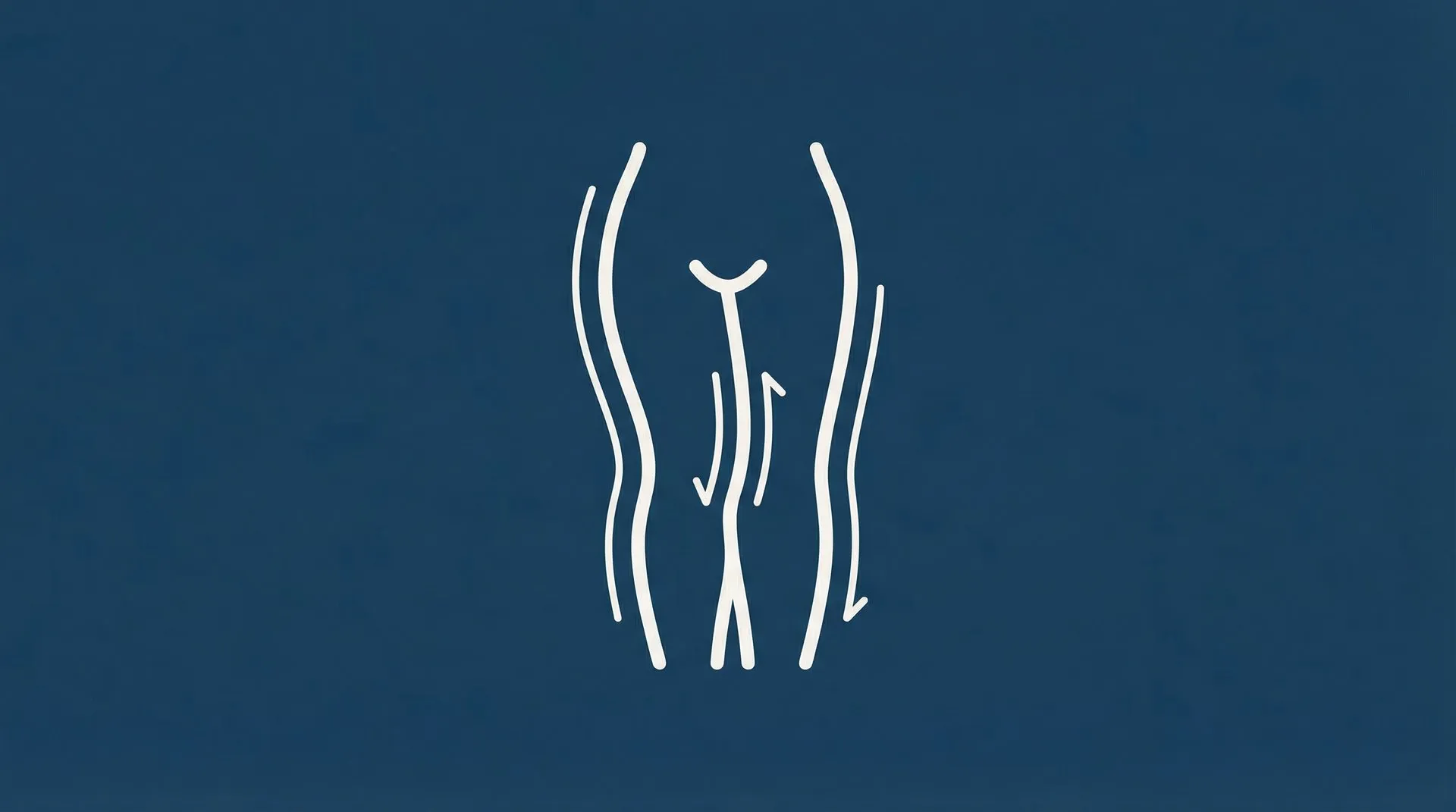
The leg aesthetic is needed depending on problems such as very thin or thick legs, crooked, asymmetrical, leg deformities where the knees are close to each other compared to normal.
When can it be done?
The ages of 18 for women and 21-22 for men are recommended for leg aesthetic. Thus, it is in a suitable condition for the operation in terms of hormonal and body structure.
When Can Crooked Leg Aesthetic Be Performed?
The ages of 18 for women and 21-22 for men are recommended for leg aesthetic. Thus, it is suitable for the operation in terms of hormonal and body structure.
For whom is Crooked Leg Aesthetics Suitable?
The leg aesthetics is suitable for thick-legged, thin-legged, crooked, asymmetrical legs. Individuals with such aesthetic disorders are suitable for leg aesthetics if they do not have any health problems for surgery.
Redefining Form. Restoring Confidence.
From aesthetic enhancement to reconstructive excellence.
Specialized Procedures
Combining advanced medical techniques with an artistic approach to deliver natural, lasting results.









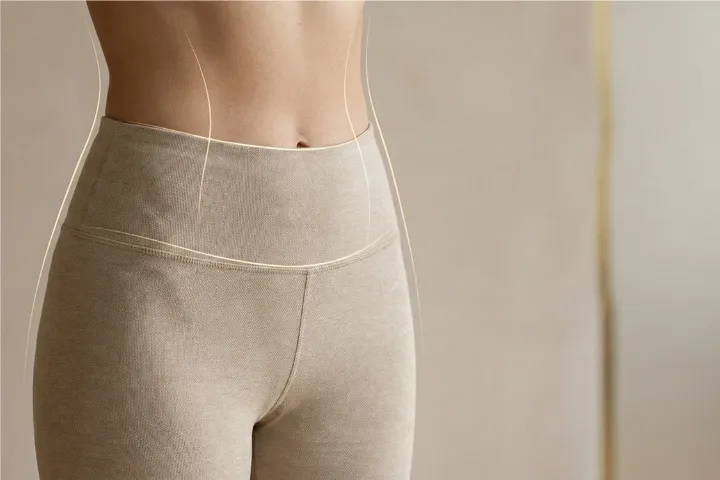
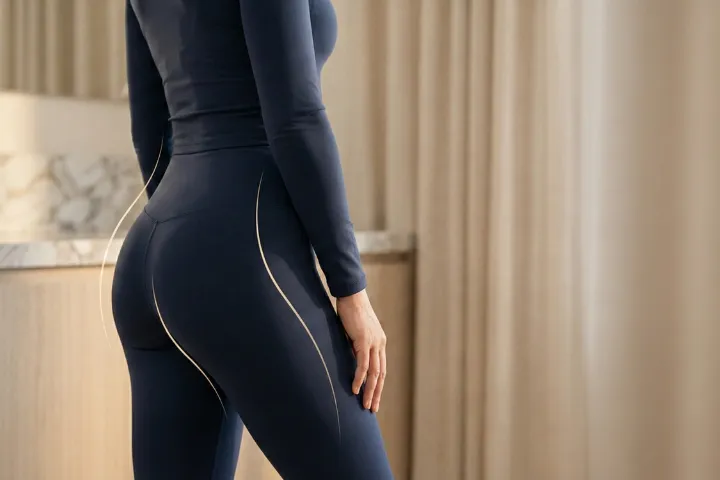


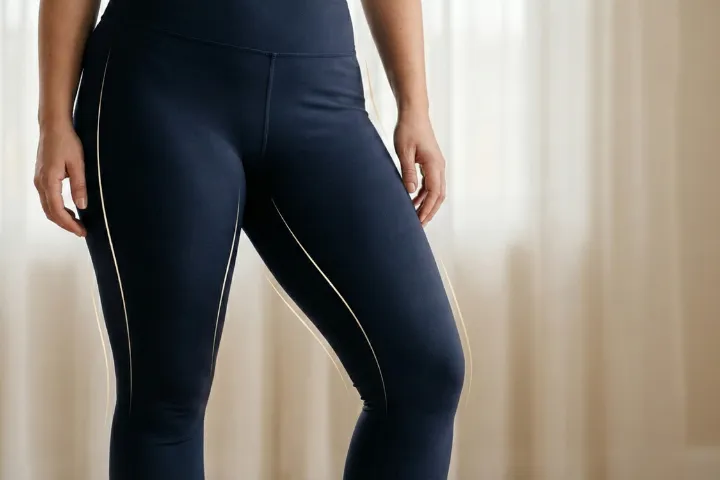


A clear, step-by-step process designed to ensure safety, understanding, and personalized care at every stage.
Your Aesthetic Journey
.webp)
First Contact
.webp)
Travel & Arrival

Medical Preparation
.webp)
Surgery & Recovery
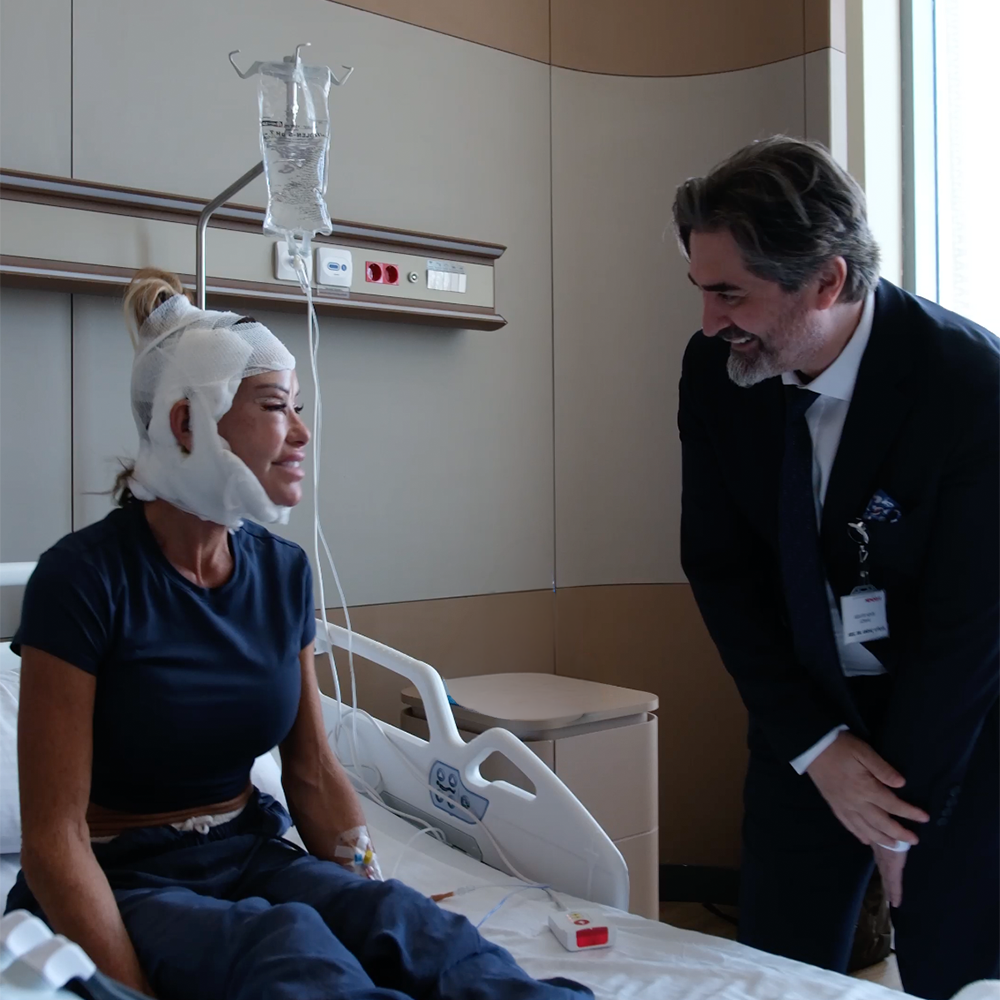
Post-Op Care
.webp)
Lifelong Support
%402x.svg)
%402x.svg)
Have a question?
Every patient’s needs are unique. Share your goals with us, and we’ll guide you with a personalized consultation.
Hear from the Patients
Experiences shared by patients about their care, communication, and overall treatment journey via Google Reviews.


.svg)
.svg)
.svg)
.svg)
