


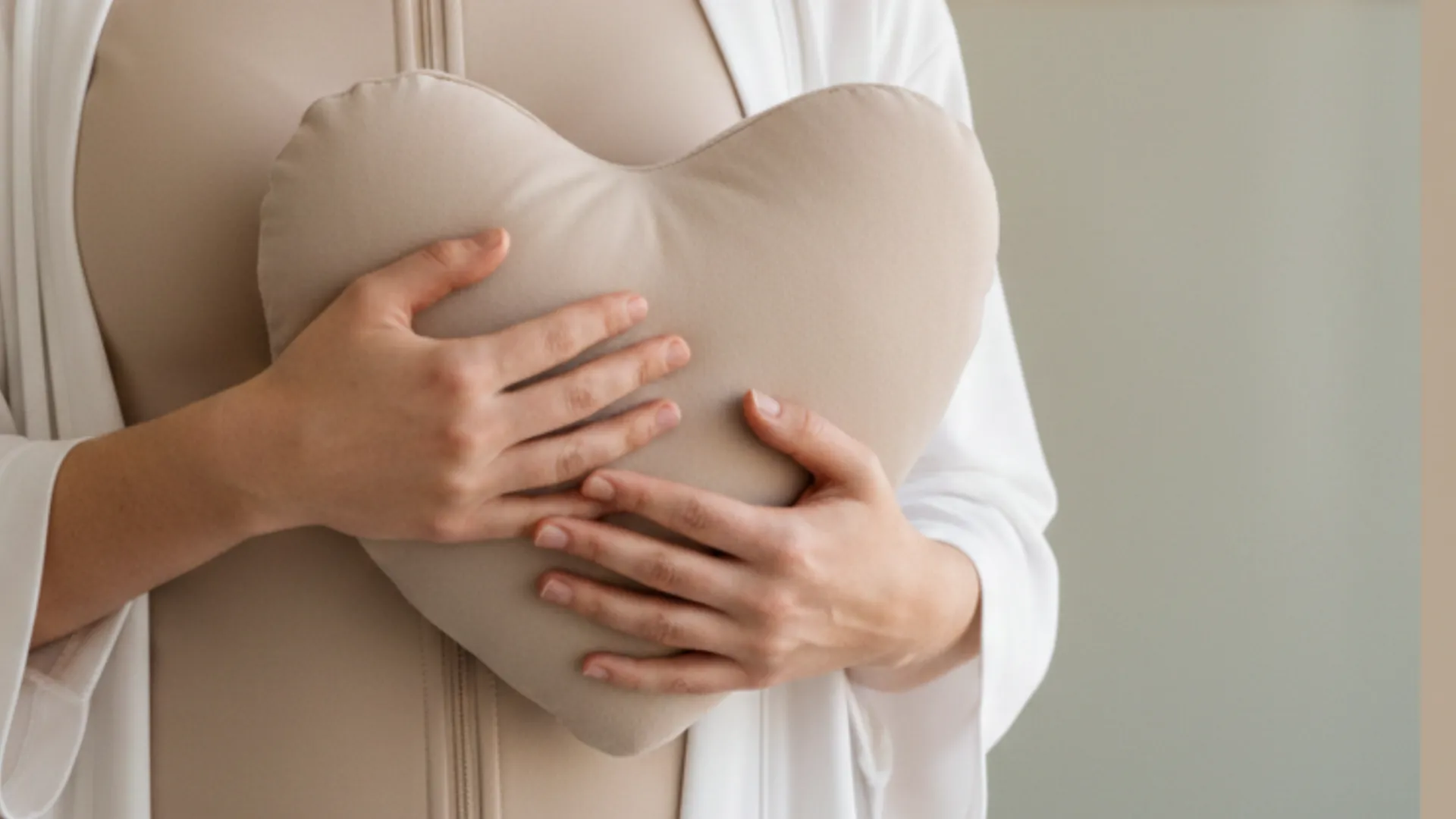
Post-Mastectomy Reconstruction
At a Glance
A quick overview of what your visit feels like — from time in clinic to recovery, comfort, and how long results last. Everything you need to plan your day with confidence.
.webp)
3 - 5 Hours
.webp)
1 - 2 Nights
.webp)
General Anesthesia
.webp)
Return to Work: 2-3 weeks. Full Activity: 6 weeks
.webp)
Permanent (Significantly reduces cancer risk)

- You have a strong family history of breast cancer.
- You have tested positive for genetic mutations like BRCA1 or BRCA2.
- You are over 18 and your physical development is complete.
- You want to significantly reduce your risk of developing breast cancer.
- You prefer an immediate cosmetic solution (waking up with reconstructed breasts) rather than a flat chest.
- "It removes 100% of the risk." -> False. It reduces the risk by approximately 90-95%, as microscopic breast tissue may remain, but it is the most effective prevention method available.
- "You lose your nipples." -> False. With the Nipple-Sparing technique mentioned, the nipple and areola can often be preserved if there is no sign of disease in that area.
- "Sensation remains the same." -> False. While the look is preserved, sensation in the breast skin and nipple is often reduced or lost due to the removal of underlying tissue.
Let's Create Your Treatment Plan Today
We are here to answer your questions and offer you the most suitable aesthetic solutions. Let's plan your process, either in person or through an online consultation.
Free Consultation and analysis
Personalized Surgical Roadmap
24/7 Multilangual Patient Support
Seamless Travel & Accommodation Arrangements
Natural Looking Results & High Satisfaction



Start Your Free Consultation
Thank you for your submission!
What is Breast Reconstruction after the Preventive Mastectomy?
Perhaps the most important method used to reduce the risk of the cancer in the patients who are determined to be at high risk of the breast cancer is the breast reconstruction operation after the preventive mastectomy.
Breast reconstruction after a preventive mastectomy is considered one of the most critical interventions for women identified as being at high genetic risk for breast cancer. This proactive surgical approach is designed to reduce the future risk of developing cancer while simultaneously maintaining the natural form of the body. By rebuilding the breast tissue immediately following the removal of mammary tissue, the surgeon can often preserve much of the patient's existing skin. This immediate technique typically results in a more seamless and aesthetically natural outcome compared to delayed procedures. The primary goal is to restore the breast's shape, appearance, and volume to ensure the patient maintains physical symmetry. Such procedures play a vital role in protecting both the physical health and psychological well-being of the individual during their restorative journey. Ultimately, this intervention allows high-risk patients to manage their health proactively without suffering a permanent sense of physical loss.
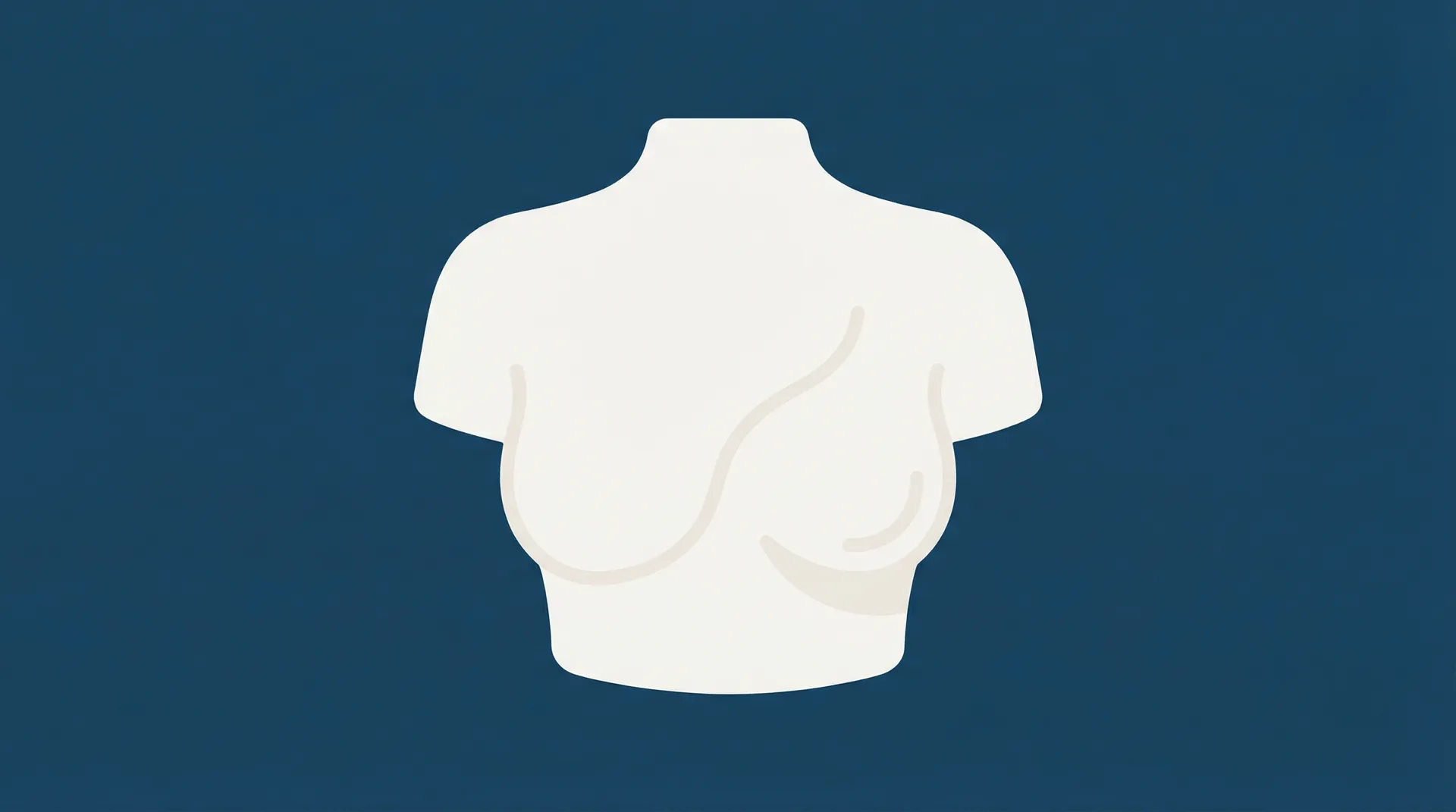
How Breast Reconstruction Performs after the Preventive Mastectomy?
In the individuals having a high risk of the breast cancer, while the breast tissue is removed during the mastectomy applied for both breasts; the breast skin, nipple and surrounding brown area are surgically preserved. After the procedure is performed in this way, there is not much loss of the appearance. The tissue of the breast is removed with a mastectomy. After the breast tissue is removed, the breast prosthesis is placed in its place.
The process of rebuilding the breast can be achieved using two primary clinical pathways: silicone implants or autologous tissue transfer. Silicone prostheses are frequently used to restore structure and volume, offering a predictable and permanent breast contour. Alternatively, autologous reconstruction involves harvesting healthy tissue from other parts of the patient’s body to create a natural breast mound. The choice of methodology is determined through a detailed evaluation of the patient’s anatomy, tissue availability, and specific aesthetic goals. This personalised planning ensures that the reconstructed breast harmonises with the rest of the body for a balanced and stable appearance.
When Can the Breast Reconstruction Be Done After the Preventive Mastectomy?
It is recommended that the person be older than 18 years of the age to perform the breast reconstruction applications after the preventive mastectomy. Thus, it is suitable for the filling as the hormonal and body structure.
Who is Suitable for the Breast Reconstruction after the Preventive Mastectomy?
The breast reconstruction after the preventive mastectomy is considered for the people having the hereditary cancer risk. These people have a very high risk of developing the breast cancer at some point in their life. The mastectomy and immediate breast reconstruction operation are recommended for the preventive purposes for the people who are found to have a defect in their genes. This procedure is one of the important risk-reducing operations against the cancer in the individuals at the risk of the breast cancer.
Redefining Form. Restoring Confidence.
From aesthetic enhancement to reconstructive excellence.
Specialized Procedures
Combining advanced medical techniques with an artistic approach to deliver natural, lasting results.
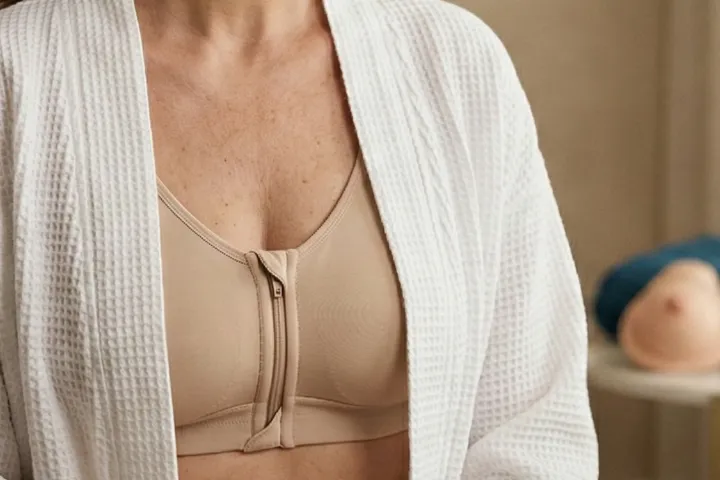

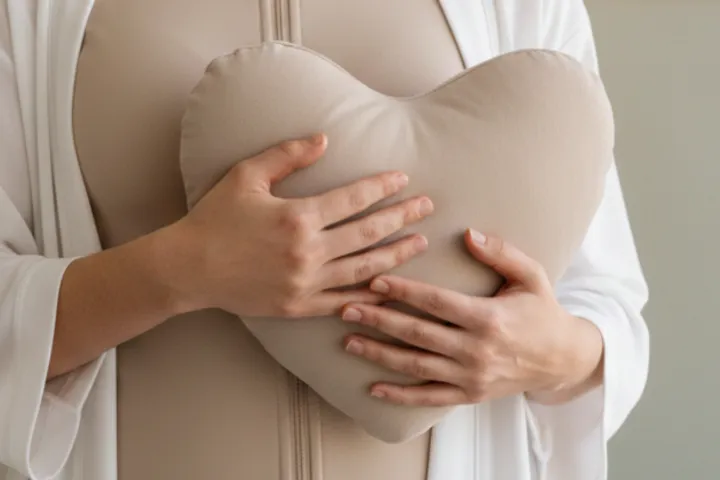

A clear, step-by-step process designed to ensure safety, understanding, and personalized care at every stage.
Your Aesthetic Journey
.webp)
First Contact
.webp)
Travel & Arrival
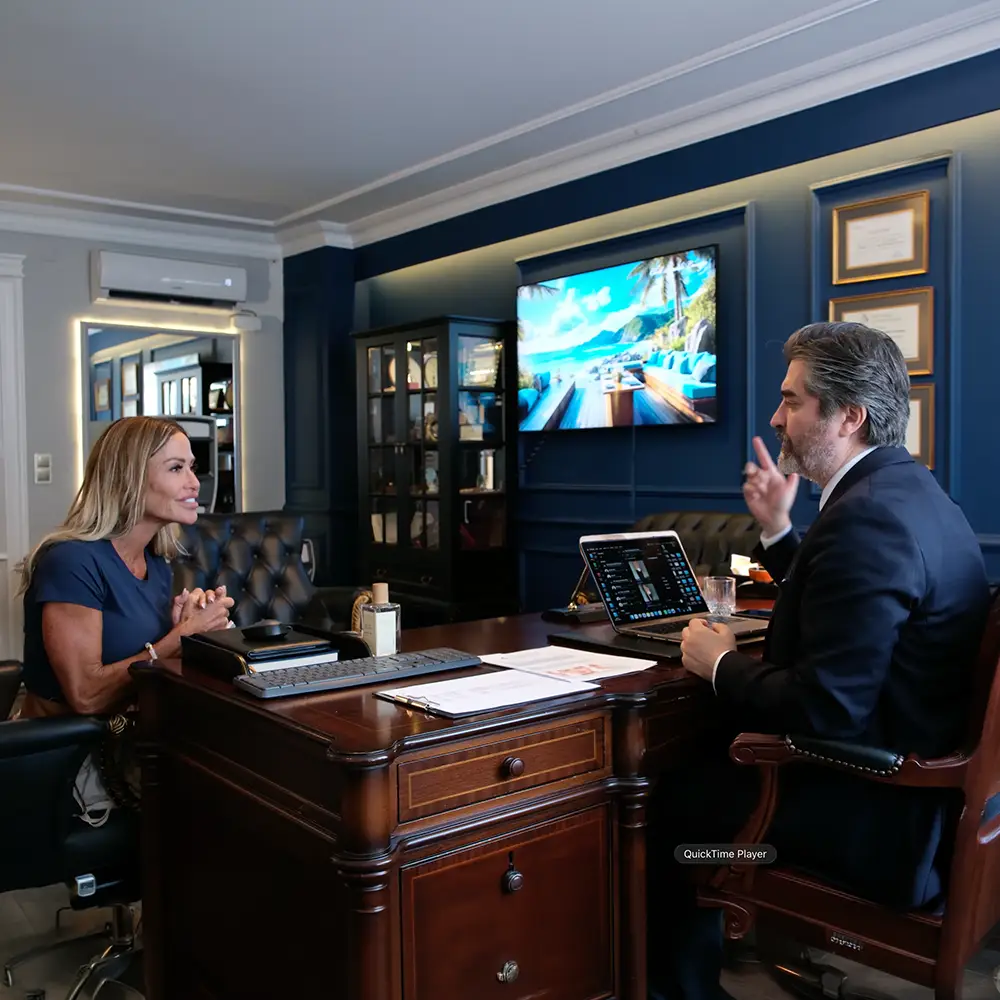
Medical Preparation
.webp)
Surgery & Recovery
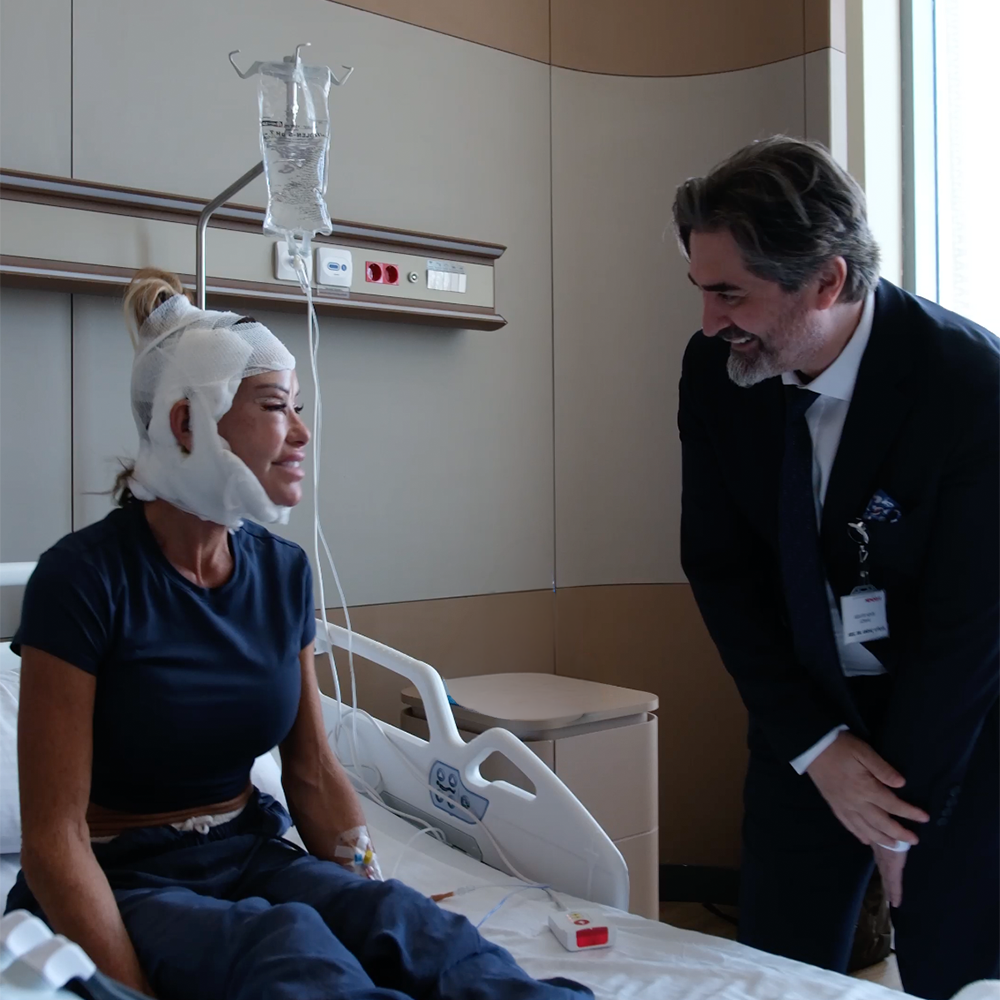
Post-Op Care
.webp)
Lifelong Support
%402x.svg)
%402x.svg)
Have a question?
Every patient’s needs are unique. Share your goals with us, and we’ll guide you with a personalized consultation.
Hear from the Patients
Experiences shared by patients about their care, communication, and overall treatment journey via Google Reviews.

.svg)
.svg)
.svg)
.svg)
