



Breast Cancer Treatment and Breast Reconstruction
What is Breast Cancer?
Breast cancer occurs when cells in the breast tissue grow uncontrollably and form a tumor. These tumors can spread throughout the body over time and cause various health problems. If breast cancer is detected in the early stages, the chance of curing the disease is quite high. Therefore, it is very important for women to regularly perform breast self-examinations and participate in screening tests such as mammography and ultrasound (USG) from a certain age.
Breast cancer is usually noticed when a lump or mass forms in the breast. However, in some cases, the first symptoms may include skin retraction, nipple discharge, or changes in breast shape. Every woman should pay attention to changes in their breast tissue and consult a specialist in case of any doubt.
Breast Cancer Treatment Methods
The entire disease process is carried out together with disciplines such as General Surgery, Plastic Surgery, Oncology, Radiology, Nuclear Medicine, Radiation Oncology, Pathology. Breast cancer treatment is planned depending on the stage of the disease, the size of the tumor, the spread of the cancer and the general health of the patient. Treatment options include surgical interventions (mastectomy, lumpectomy), chemotherapy, radiotherapy, hormone therapy and targeted treatments. These treatment methods aim to completely clear the cancerous tissue from the body or stop its spread. However, some women may have to lose their breasts after surgical procedures such as mastectomy. This negatively affects the patient’s body perception and psychological state. At this point, breast reconstruction surgery comes into play.
What is Breast Reconstruction?
Breast reconstruction is a cosmetic surgery procedure performed to reshape the breast after a mastectomy or lumpectomy. This surgery aims to restructure the patient’s breast tissue to give it a natural appearance. Breast reconstruction can help the patient regain their self-confidence and body image. In addition to alleviating the physical effects of the disease, it also has a great importance in the emotional healing process. Reconstruction surgery can be performed immediately after cancer treatment, as well as in some patients after a certain period of time after the treatment is completed.
How is Breast Reconstruction Performed?
Breast reconstruction can be performed by several different methods. These methods may vary depending on the patient’s needs, body type, and medical history. The most common breast reconstruction methods are:
1. Use of Prosthesis (Implant)
One of the most common methods used in breast reconstruction is implant placement. In this method, breast volume is recreated using silicone or saline-containing breast prostheses. The implant method is usually preferred in patients who have had all of their breast tissue removed after a mastectomy. In some cases, a tissue expander is used to ensure that the skin and muscle in the breast area are expanded sufficiently so that the prosthesis can be placed.
2. Reconstruction with the Patient’s Own Tissue (Flap Method)
In this method, tissue taken from another part of the patient’s body (usually the abdomen, back or thighs) is placed in the breast area and the breast is reshaped. Reconstruction with the patient’s own tissue can provide a more natural look and feel. The most commonly used tissue transfer methods include the LD (Latissimus Dorsi) Flap, TRAM flap and DIEP flap. This method is a suitable alternative for patients who do not want to use a prosthesis or who cannot have a prosthesis placed.
3. Combined Methods
In some cases, breast reconstruction can be done using both a prosthesis and the patient’s own tissue. This combination provides a natural breast appearance and the desired volume. Which method will be used is determined by the surgeon in line with the patient’s general health condition, body structure and personal preferences.
When is Breast Reconstruction Surgery Performed?
Breast reconstruction surgery can be performed immediately after cancer treatment is completed, or it can be performed after a certain period of time. There are two options:
Immediate Reconstruction: A breast reconstruction procedure performed at the same time as a mastectomy. This option can help patients have a more psychologically comfortable process by preventing breast loss immediately after surgery.
Delayed (Late) Reconstruction: It is a reconstruction surgery performed after cancer treatment is completed. This option may be preferred to allow time for skin changes to heal, especially after treatments such as radiotherapy.
What Are the Risks of Breast Reconstruction?
As with any surgical procedure, breast reconstruction has some risks. These risks include complications such as infection, bleeding, delayed wound healing, implant displacement, or the body rejecting the implant. Tissue transfer methods may require a longer recovery period. Therefore, it is important to talk to your surgeon in detail about the possible risks and complications before making the decision to have breast reconstruction.
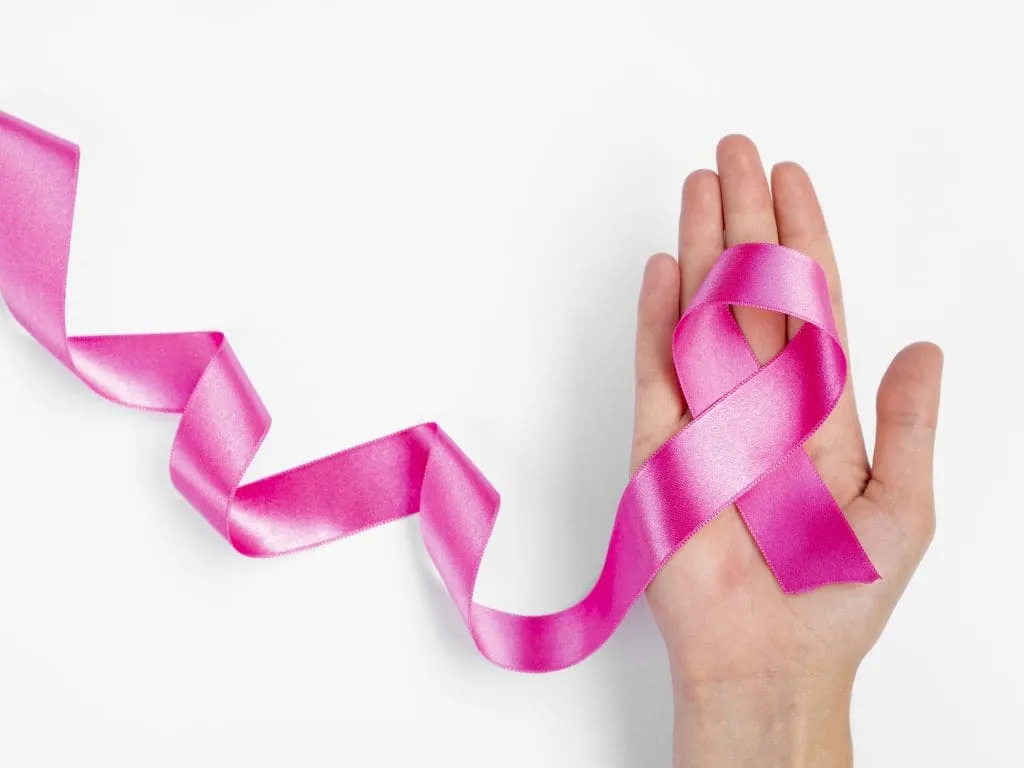
Frequently Asked Questions About Breast Reconstruction
How Long Does Breast Reconstruction Surgery Take?
The duration of surgery varies depending on the method used. While the prosthesis placement process usually takes a few hours, reconstruction with the flap method may take longer. In addition, the postoperative recovery process may vary depending on the method.
How Long Does the Recovery Process Take?
The healing process varies depending on the type of surgery performed. While the healing process may be faster in reconstructions performed with implants, this period may be slightly longer in tissue transfer methods. Patients can usually return to their normal lives within 4-6 weeks.
Does Breast Reconstruction Provide a Natural Look?
Thanks to the modern techniques and implants used today in breast reconstruction, the results obtained are close to natural and good. In reconstructions performed with the tissue transfer method, the breast can gain a more natural appearance. Procedures performed with implants also provide successful results in terms of aesthetics.
Does Breast Reconstruction Affect Cancer Recurrence?
Breast reconstruction does not increase or decrease the risk of cancer recurrence. The reconstruction procedure is an aesthetic surgery procedure independent of cancer treatment and does not affect the risk of recurrence of the disease. However, regular check-ups and follow-ups are important after surgery.
Are There Sensory Differences After Breast Reconstruction?
Some patients may experience sensory changes in the breast after breast reconstruction. However, these sensation losses usually decrease over time. There may be loss of sensation or differences in the breast after surgery, but this generally does not negatively affect the person’s life quality.
Breast reconstruction during or after breast cancer treatment can help many women’s recovery both physically and emotionally. While this process helps patients regain their self-confidence, it also provides a feeling of preserving body integrity. Contact us to learn more about breast reconstruction and the treatment options that are best for you. Our experienced team will be with you at every step and will help you manage the process in the best way by providing the most accurate guidance.
Clinical Insights & Journal
Explore a curated collection of articles delving into the science of aesthetics, surgical innovations, and comprehensive guides designed to enlighten your journey.

.svg)
.svg)
.svg)
.svg)
