

What Is Rosacea? Effective Redness Control with BBL and LED Therapy
What Is Rosacea?

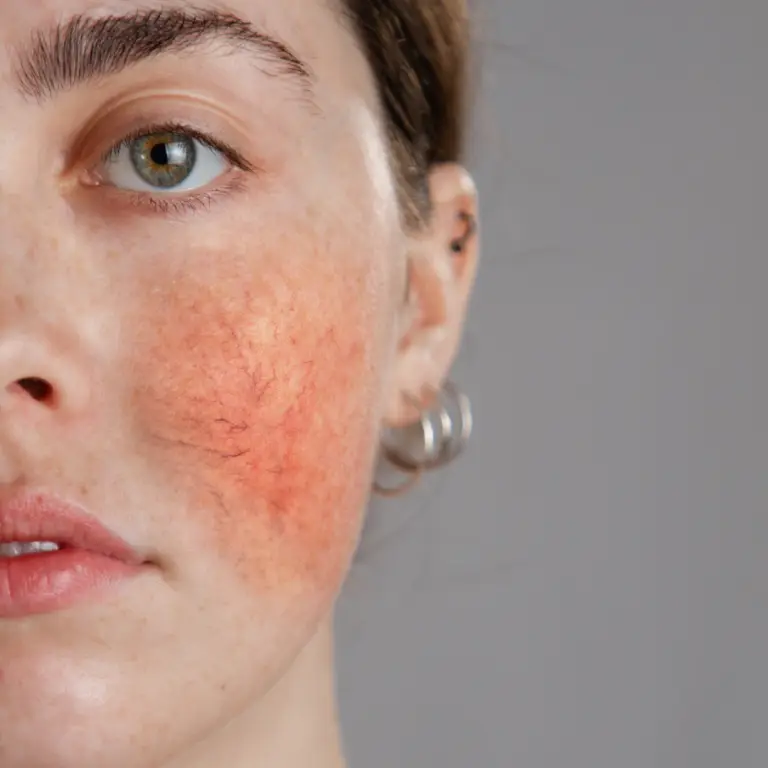
Rosacea is a chronic inflammatory skin disorder that most commonly affects the central face, particularly the cheeks, nose, chin, and forehead. It typically presents with persistent or episodic redness, visible dilated blood vessels, and in some individuals, acne-like inflammatory lesions. The condition often follows a pattern of flare-ups and remissions, meaning symptoms can intensify with triggers and settle with proper management.
Common Symptoms of Rosacea
Rosacea may present with one or several of the following:
- Persistent or intermittent facial redness
- Prominent, fine capillaries (telangiectasia)
- Burning, stinging, or a sensation of heat
- Red, acne-like papules or bumps
- Skin thickening (most notably on the nose in advanced cases)
- Eye symptoms such as dryness, irritation, itching, or redness (ocular rosacea)
Rosacea frequently develops after the age of 30 and is more common in individuals with fair or sensitive skin. It is observed more often in women, although men may experience a more severe course when it occurs.
What Causes Rosacea?
The exact cause of rosacea is not fully understood. However, research suggests that a combination of genetic and environmental factors may contribute. Commonly implicated factors include:
- Genetic predisposition
- Immune system hypersensitivity and inflammatory overactivity
- Excessive sun exposure
- Heat and rapid temperature changes
- Spicy foods, hot drinks, and certain dietary triggers
- Alcohol consumption
- Stress and emotional fluctuations
- Increased presence of Demodex mites on the skin
Because triggers vary from person to person, identifying and managing individual factors is often a key part of long-term control.
Rosacea Treatments We Use in Our Clinic
While rosacea is not typically “cured” in the absolute sense, its symptoms can be significantly reduced and effectively controlled with the right approach. In our clinic, we commonly combine two complementary modalities:
1) BBL (BroadBand Light): Targeted Light Therapy for Redness and Vascular Changes
BBL is an advanced light-based technology that delivers high-intensity, broad-spectrum light to the skin. It is among the most widely preferred options for managing rosacea-related redness and visible vessels.
How Does BBL Work in Rosacea?
BBL addresses rosacea through multiple mechanisms:
- Targets dilated capillaries and helps reduce vascular prominence
- Decreases inflammatory activity, improving redness and flushing
- Promotes a more even skin tone and enhances overall skin quality
- Helps reduce the frequency and intensity of flare-ups by calming reactive skin
Treatment Details
- Duration: approximately 20–30 minutes
- Comfort: generally well tolerated; patients typically feel mild warmth
- Sessions: usually 3–5 sessions are recommended, depending on severity
- Downtime: none—patients may return to daily life immediately
BBL systems can be used with settings tailored specifically for rosacea, enabling precise targeting of problematic vessels while protecting surrounding tissue.
2) LED Therapy: Calming, Barrier Support, and Anti-Inflammatory Recovery
We also use an FDA-cleared LED therapy device to support rosacea management through targeted light wavelengths. LED therapy is gentle, non-invasive, and particularly valuable for sensitive or reactive skin.
What Does LED Therapy Do?
Different wavelengths serve different therapeutic roles:
- Red light: supports microcirculation, helps reduce inflammation, and reinforces vascular resilience
- Near-infrared (NIR): calms the skin, modulates inflammatory pathways, supports tissue repair, and strengthens the skin barrier—often improving burning and stinging sensations
- Blue light: may help reduce surface-level microorganisms that can contribute to inflammation in certain skin types
Key Advantages
- Completely needle-free and painless
- Typically about 20 minutes per session
- Suitable for virtually all skin types
- Can be safely combined with other treatments (including BBL) as part of a structured plan
LED therapy is especially useful as a “stabilizing” modality—helping the skin remain calmer between flare-ups and improving tolerance over time.
Rosacea Skin-Care Guidelines: What You Do at Home Matters
Clinical treatments deliver the best results when supported by daily skin habits. We typically recommend:
- Use broad-spectrum SPF 50+ every day, without exception
- Avoid known triggers such as very hot drinks, spicy foods, and alcohol where possible
- Choose fragrance-free, alcohol-free, barrier-friendly skincare products
- Avoid harsh scrubs, aggressive peels, and abrasive exfoliation
- Prioritize stress management and sleep hygiene
A consistent, minimalist routine often outperforms complicated routines for reactive rosacea-prone skin.
You Don’t Have to “Live With” Rosacea
Although rosacea is chronic, it is highly manageable with modern technologies and a personalized strategy. With advanced BBL protocols and supportive LED therapy, we aim to significantly reduce facial redness, visible vessels, and sensitivity—helping patients achieve calmer, more comfortable, and more stable skin.
If you suspect rosacea or are experiencing persistent redness and flare-ups, our team can provide a detailed assessment and create a tailored treatment plan. Contact us to schedule your consultation.
Medical disclaimer: This article is for general informational purposes and does not replace a medical evaluation. Diagnosis and treatment should be determined by a qualified dermatologist or physician.
Assoc. Prof. Dr. Andaç Aykan
Clinical Insights & Journal
Explore a curated collection of articles delving into the science of aesthetics, surgical innovations, and comprehensive guides designed to enlighten your journey.

.svg)
.svg)
.svg)
.svg)
