

Revision Rhinoplasty
At a Glance
A quick overview of what your visit feels like — from time in clinic to recovery, comfort, and how long results last. Everything you need to plan your day with confidence.
.webp)
3-4 hours on average. (More complex than primary cases)
.webp)
1 Night (Discharged the following day)
.webp)
General anesthesia
.webp)
Splint removal: 7 days. Social recovery: 10-14 days. Full structural healing: 12 months
.webp)
Permanent (Results settle gradually over a year)

- You have persistent breathing problems after a previous nose surgery.
- You are unhappy with the aesthetic result (asymmetry, collapse, or deformity).
- It has been at least 12 months since your last nasal operation.
- You have realistic expectations regarding the complexity of revision surgery.
- You understand that cartilage from the ear or rib may be needed for reconstruction.
- "Revision is easier." → False. It is technically more challenging due to scar tissue and altered anatomy.
- "I can get it fixed immediately." → False. You must wait for the tissues to heal (min. 6-12 months) before operating again.
- "Rib cartilage feels fake." → False. Autologous rib cartilage integrates with your body and provides the most natural, long-term structural support.
Let's Create Your Treatment Plan Today
We are here to answer your questions and offer you the most suitable aesthetic solutions. Let's plan your process, either in person or through an online consultation.
Free Consultation and analysis
Personalized Surgical Roadmap
24/7 Multilangual Patient Support
Seamless Travel & Accommodation Arrangements
Natural Looking Results & High Satisfaction



Start Your Free Consultation
Thank you for your submission!
What Is Secondary (Revision) Rhinoplasty?
Secondary or Revision Rhinoplasty refers to surgeries performed to correct shape deformities, irregularities, and difficulties in breathing that have occurred over time after an initial nose surgery. It is performed on patients who have had a previous nose surgery but are unhappy due to various reasons. In cases where a person has had two nasal surgeries and requires another one, the procedure is typically called "tertiary rhinoplasty." Visual problems associated with the nose may appear months or years after the initial surgery.
In Which Cases Is It Performed?
Different situations may arise after nose surgery and may lead to the need for secondary Rhinoplasty.
The visible asymmetrical or wide nostrils, the collapse of the nasal side walls and nose wings (alar collapse), and difficulty in breathing are the leading ones. The arch on the ridge of the nose may continue; there may be collapse or irregularity in the dorsum of the nose, the appearance of a polly beak due to excess cartilage, or a saddle nose may occur due to excessive reduction. There may be an inverted V appearance in the middle of the nose, curvature of the nose, continuation of the deviation, irregularities on the back of the nose, excessive scar tissue development inside or outside the nose, and skin and soft tissue problems.
In the presence of all these problems, secondary Rhinoplasty is performed.
When Should It Be Performed?
The healing process in the human body takes at least 12 months (1 year). During this period, the processes of the cartilage and bone to adapt to their new shapes and repair continue. For a patient with primary rhinoplasty surgery, waiting at least six months, preferably one year, for revision or secondary rhinoplasty is recommended. During this period, the swelling that occurred with the first surgery decreases, and the nose begins to take its final shape. Waiting for this period increases the success rate of secondary rhinoplasty since the problems become more apparent and visible by the decrease in swelling.
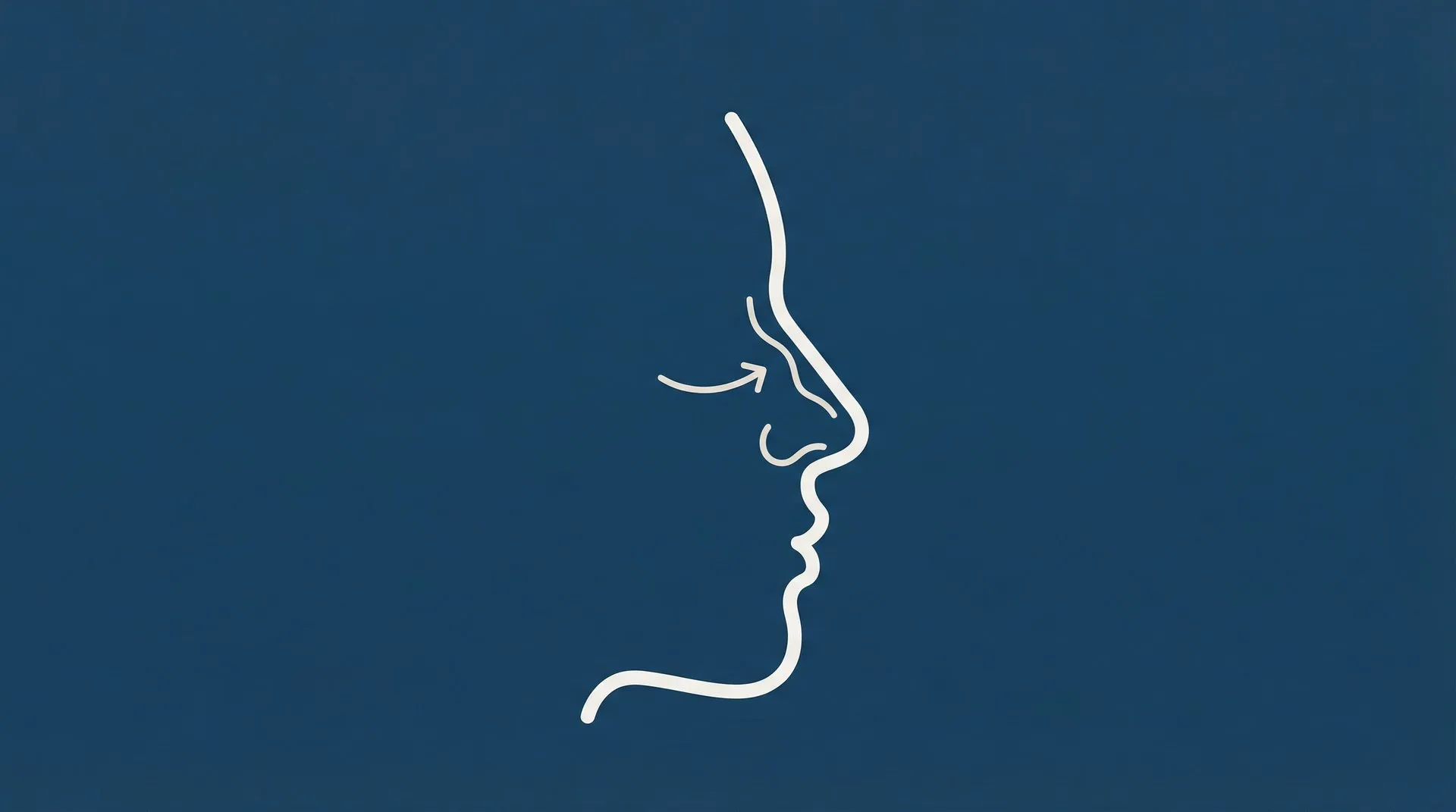
How is the Pre-Secondary Rhinoplasty Process?
A detailed physical examination and patient-physician consultation are particularly important for patients undergoing secondary nose surgery. Patients have been unhappy due to problems after their first surgery and naturally expect their problems to be solved.
Nose Analysis – 3D Vectra XT® Simulation
During the detailed interview and examination with Assoc. Prof. Dr. Aykan at Aykan Clinic, the patient’s expectations are understood and the existing problems are clearly revealed. Performing 3D imaging and analysis (with VectraXT® and Visia® devices) before surgery for our patients who need Rhinoplasty or Secondary Rhinoplasty facilitates a clearer perception of problems related to the nose. At the same time, working on these high-resolution 3D images, possible results that will be obtained after surgery are shared with our patients.
Cartilage Needs In Secondary Rhinoplasty
Depending on the procedure in secondary rhinoplasty, additional cartilage may sometimes need to be taken from neighboring tissues. The patient’s ear and chest cartilage (costal graft) are the most commonly preferred sources. Depending on the amount and location of cartilage needed during secondary rhinoplasty, a choice is made between these two sources (ear or chest). Kullanım yerine göre bu iki kıkırdak tipinin birbirine göre avantaj ve dezavantajları vardır. These two types of cartilage have advantages and disadvantages depending on their usage places.
Secondary Rhinoplasty Surgery
Secondary (revision) rhinoplasty surgeries can involve some surgical challenges compared to primary ones. Therefore, the most crucial factor in achieving success in secondary revision nose surgeries is the experience and expertise of the surgeon. Adhesion and scar tissue that form inside the nose due to the first surgery alters the standard nose anatomy. At the same time, since the bone and cartilage tissues inside the nose were intervened in the first surgery, the expected and accustomed basic structures have been altered, displaced, or changed in different ways. In some cases, cartilage and bone tissue may be lost. Depending on the amount and structure of cartilage required in these patients, cartilage may need to be taken from the chest or ear.
These procedures require different approaches than the techniques used in a standard rhinoplasty. Therefore, the surgeon’s experience performing the secondary rhinoplasty surgery is crucial in determining success.
Revision nose surgery involves a nose that has already undergone surgical intervention. The healing and scar tissue in the nose resulted from the initial surgical procedure. When nose surgery is performed again, these areas are treated once again. This increases the duration of healing and the amount of swelling/bruising. These disadvantageous situations can be minimized through appropriate techniques, modern technology, and tools during surgery.
Assoc. Prof. Dr. Andaç Aykan uses modern technologies such as micro-motor, piezo surgical instruments during surgery in Secondary Rhinoplasty patients with more than 18 years of experience. The edema (swelling)-reducing treatment is performed immediately after surgery, with professional cooling systems designed for the face area.
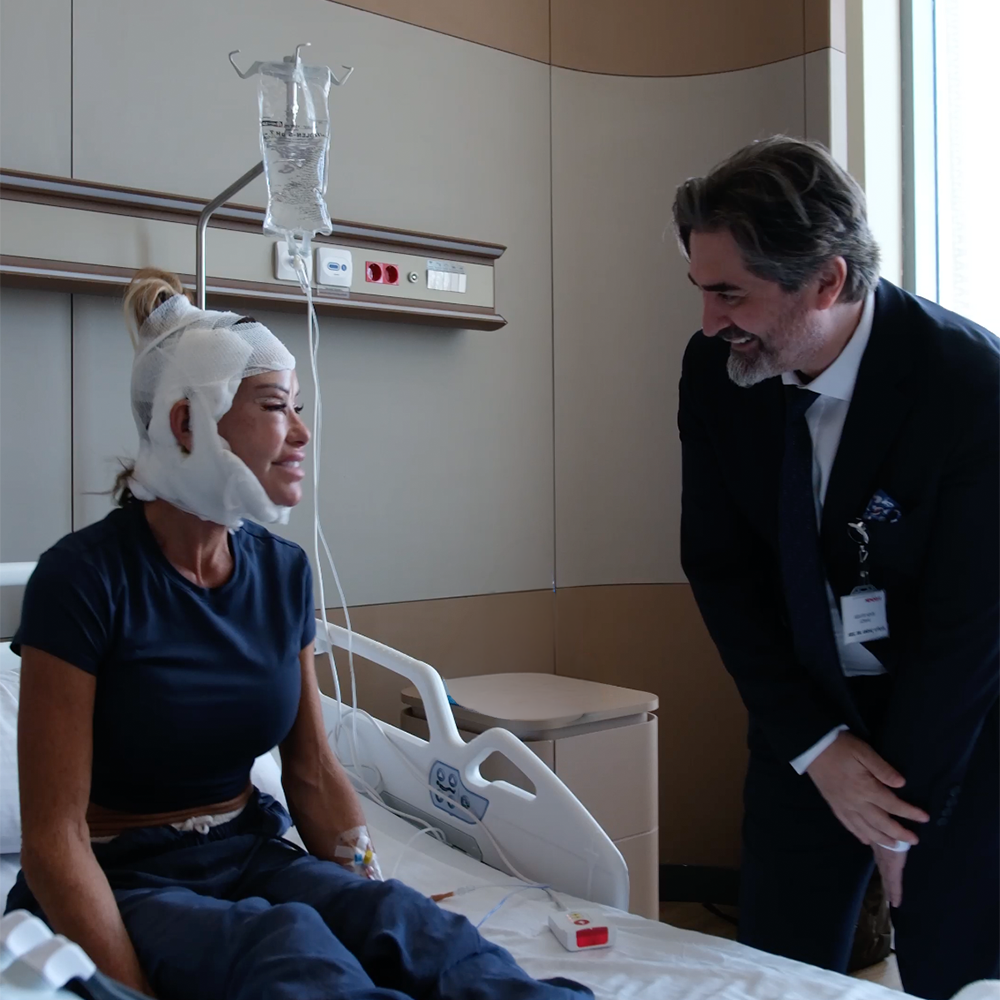
Dr. Aykan recommends staying under observation at the hospital for one night after the surgery. You can be discharged on the following day. The small plastic splint placed on the nose for protection will be removed at the end of the first week. Bruising is not expected in every patient but is more common in fair-skinned patients with thin skin. Full recovery and final shaping can take up to a year or more due to the nature of revision tissues.
After Secondary Rhinoplasty Surgery
Dr. Aykan recommends staying under observation at the hospital for one night after the surgery. You can be discharged on the following day. The small plastic splint placed on the nose for protection will be removed at the end of the first week. During this time, you should rest. It is likely to experience some bruising and swelling during the recovery period, which may vary depending on your lifestyle and habits. The healing process differs from person to person due to differences in skin structure. For example, the decrease in swelling last longer in people with thicker nose skin. Bruising is not expected in every patient and is more common in fair-skinned patients with thin skin. Follow-up and controls after the surgery will be done regularly in Aykan Clinic.
Redefining Form. Restoring Confidence.
From aesthetic enhancement to reconstructive excellence.
Specialized Procedures
Combining advanced medical techniques with an artistic approach to deliver natural, lasting results.












A clear, step-by-step process designed to ensure safety, understanding, and personalized care at every stage.
Your Aesthetic Journey
.webp)
First Contact
.webp)
Travel & Arrival

Medical Preparation
.webp)
Surgery & Recovery
Post-Op Care
.webp)
Lifelong Support
%402x.svg)
%402x.svg)
Have a question?
Every patient’s needs are unique. Share your goals with us, and we’ll guide you with a personalized consultation.
Hear from the Patients
Experiences shared by patients about their care, communication, and overall treatment journey via Google Reviews.

.svg)
.svg)
.svg)
.svg)
