


Blepharoplasty
At a Glance
A quick overview of what your visit feels like — from time in clinic to recovery, comfort, and how long results last. Everything you need to plan your day with confidence.
.webp)
45 Mins (Upper) - 1.5 Hours (Lower/Combined)
.webp)
Same Day Discharge (Observation for 2-3 hours)
.webp)
Local Anesthesia + Sedation (Common) or General Anesthesia
.webp)
Stitches removed: 7 days. Social life: 10-14 days. Edema resolves in weeks
.webp)
Long-lasting (10+ years, upper lids may need revision with severe aging)

- You feel a "heaviness" or fatigue in your eyes, especially by evening.
- You have difficulty applying makeup due to hooded eyelids.
- You have developed deep forehead wrinkles from constantly raising your eyebrows.
- You have puffy bags under your eyes or hollow tear troughs.
- You are a younger patient with genetic under-eye bags (suitable for Transconjunctival).
- "It changes the shape of the eye." → False. It reveals the natural shape by removing the sagging skin that hides it.
- "The scars are very visible." → False. In upper eyelids, scars are hidden in the natural fold; in transconjunctival lower blepharoplasty, there are no external scars at all.
- "It damages vision." → False. In severe cases of sagging, removing the skin actually improves the visual field.
Let's Create Your Treatment Plan Today
We are here to answer your questions and offer you the most suitable aesthetic solutions. Let's plan your process, either in person or through an online consultation.
Free Consultation and analysis
Personalized Surgical Roadmap
24/7 Multilangual Patient Support
Seamless Travel & Accommodation Arrangements
Natural Looking Results & High Satisfaction



Start Your Free Consultation
Thank you for your submission!
What is Eyelid Aesthetic?
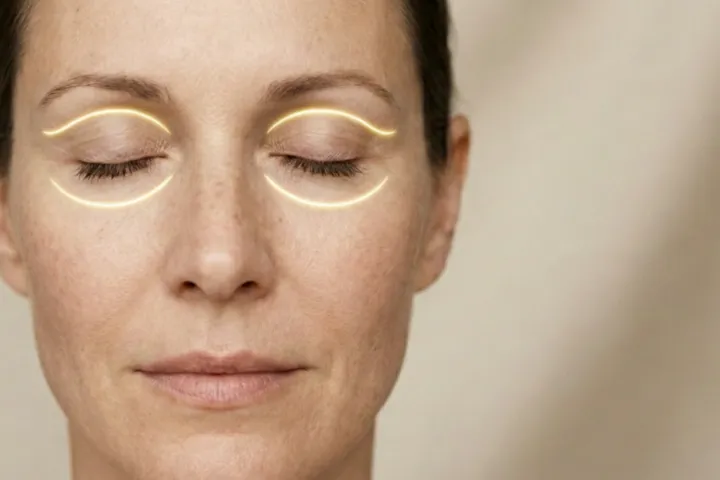
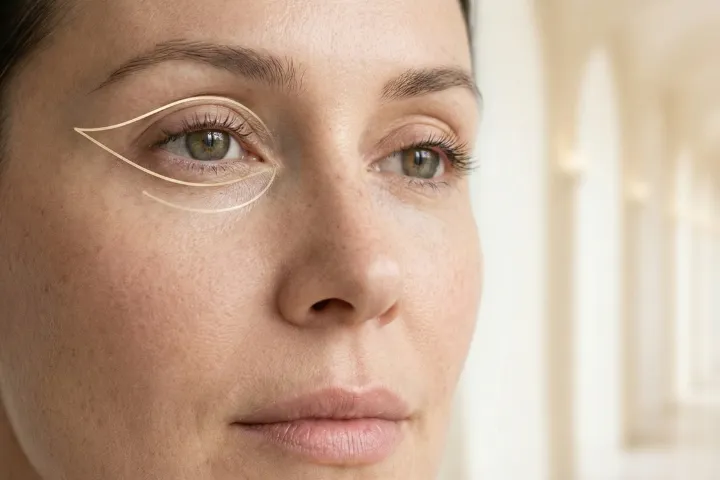
The eyelids and around the eyes are the first areas of the human face to show the signs of aging. The formation of skin wrinkles and folds in the upper eyelids, sagging, and even in advanced cases, the contact of the eyelid with the eyelashes are signs of aging. On the lower eyelids, the formation of bags with aging, excess skin and the formation of wrinkles are among these signs of aging. These changes sometimes do not occur due to advancing age, but may occur due to structural inheritance at an early age. The living conditions and environmental factors also contribute to earlier signs of aging in this region.
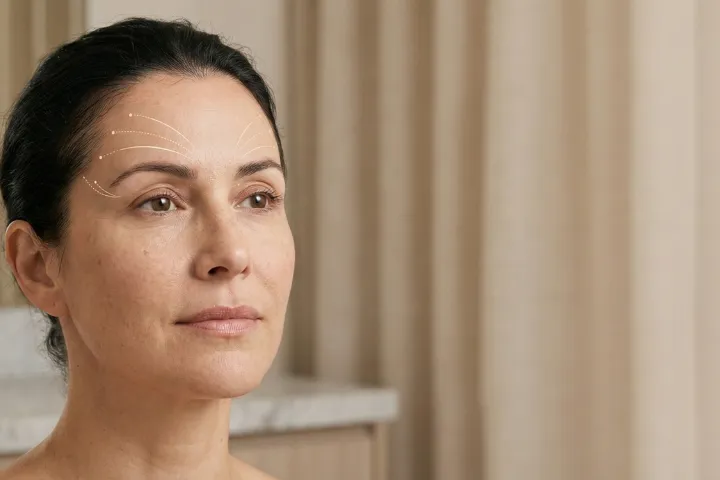
These changes do not just cause the appearance of the signs of aging. Excess skin on the upper eyelid can cause problems when applying makeup, while excess skin can cause a feeling of heaviness and fatigue, especially end of the day. To reduce this effect, we unconsciously try to pull up our forehead and eyebrows. This causes wrinkles in the forehead area to increase over time. These problems related to the eyelids can be eliminated with upper and lower eyelid aesthetics, namely blepharoplasty.

Upper Eyelid Aesthetic
After the planning and marking on the upper eyelid skin are made, the procedure is performed under the local anesthesia. Sedation anesthesia is also used to induce mild drowsiness when necessary.
In upper blepharoplasty, excess skin and, if necessary, excess muscle and fat tissue on the eyelid are also removed. The incision scar on the skin is closed with aesthetic suture techniques to coincide with the eyelid fold. Therefore, there will be no obvious scar of the surgery in the future.
The protective tape in the form of strips is placed on the eyelid. The procedure takes a total of 35 to 55 minutes for both upper eyelids. Patients who are operated under local anesthesia can be discharged after being kept under observation for 30 minutes. If local anesthesia is applied with sedation, the observation period is 2-3 hours.
At the end of the procedure, a protective tape in the form of a strip is placed on the upper eyelid. With these tapes, the patient can open and close eyes, and there is no obstacle in her daily life.
One week later, the bands on the upper eyelid are removed, the control is made and the eyelid is left open. This is sufficient time for the skin incision to heal. In addition, the edema on the upper eyelid disappears within days or weeks.
Lower Eyelid Aesthetic
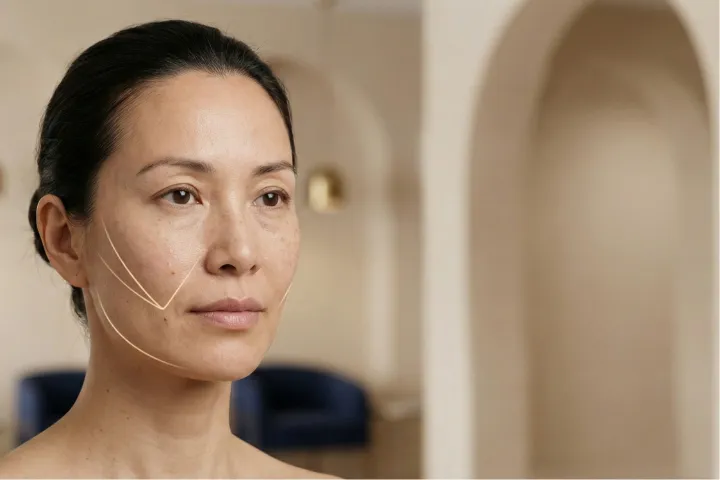
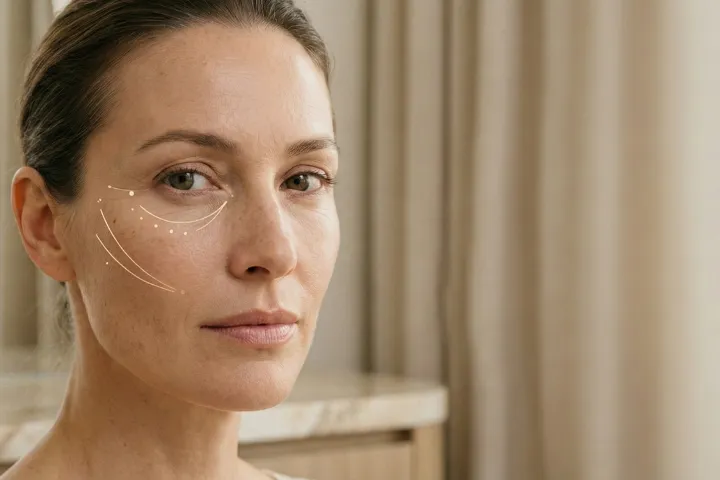
The procedure is performed under the local anesthesia and sedation or general anesthesia. The excess skin tissue is removed. The under-eye bags are treated. During this procedure, the tear trough treatment, which is the sign of aging and prolapse, and the volume losses in the middle of the face-cheekbone area can also be treated if necessary. The upper and lower eyelid aesthetics can be performed together. The eyelid plastic surgery procedures can be combined with other facial rejuvenation procedures such as a face lifting.
Traceless Lower Eyelid Aesthetics
In the classical Lower Eyelid methods, Lower Eyelid Blepharoplasty is performed by using the skin incision made just under the eyelashes. In addition, Associate Professor Andaç Aykan performs Lower Eyelid aesthetics from the inner part of the eyelid without making any incisions on the skin in suitable patients. This method is called “Transconjunctival Blepharoplasty”.
Transconjunctival (Traceless) Blepharoplasty
For younger patients who possess good skin elasticity but exhibit prominent under-eye bags, a specialized "traceless" method is often recommended. This modern approach, known as transconjunctival blepharoplasty, involves making a small incision on the inner surface of the eyelid, known as the conjunctiva. By accessing the fat pads through the inner tissue, the surgeon can eliminate puffiness without leaving any visible external scars on the skin. This technique is highly preferred for its precision, reduced risk of bruising, and significantly faster recovery process.
Recovery Milestones and Long-term Maturation
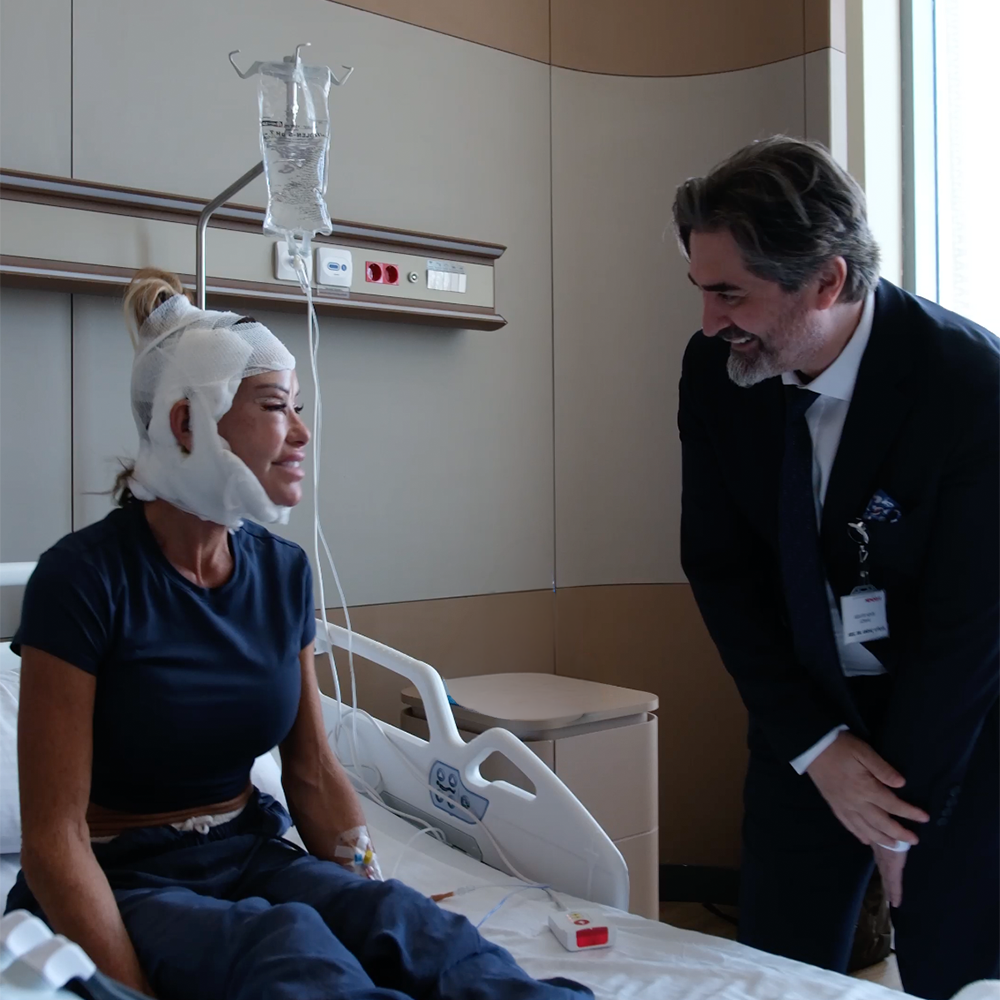
The recovery period following blepharoplasty is generally comfortable, and significant postoperative pain is not commonly reported by patients. Most individuals can resume light social activities, such as walking or grocery shopping, within three days of the surgery. Protective tapes on the upper eyelids are removed after the seventh day, at which point patients can typically return to desk work and routine daily tasks. While initial edema and redness are normal, they gradually dissipate within the first few weeks as the tissues adapt to their new contours. Patients may return to light exercise after three weeks, but strenuous physical training or heavy bodybuilding should be avoided for at least six weeks. While the initial aesthetic improvement is visible early in the recovery phase, the final maturation of the tissues and the complete resolution of all swelling typically take between four and six months. Regular follow-up appointments at the clinic ensure that the healing process is monitored correctly for optimal, long-lasting results.
Redefining Form. Restoring Confidence.
From aesthetic enhancement to reconstructive excellence.
Specialized Procedures
Combining advanced medical techniques with an artistic approach to deliver natural, lasting results.







A clear, step-by-step process designed to ensure safety, understanding, and personalized care at every stage.
Your Aesthetic Journey
.webp)
First Contact
.webp)
Travel & Arrival

Medical Preparation
.webp)
Surgery & Recovery
Post-Op Care
.webp)
Lifelong Support
%402x.svg)
%402x.svg)
Have a question?
Every patient’s needs are unique. Share your goals with us, and we’ll guide you with a personalized consultation.
Hear from the Patients
Experiences shared by patients about their care, communication, and overall treatment journey via Google Reviews.

.svg)
.svg)
.svg)
.svg)
